Climate & Soil
British Columbia is gifted with some of the most extreme and unique grape-growing conditions on the planet.
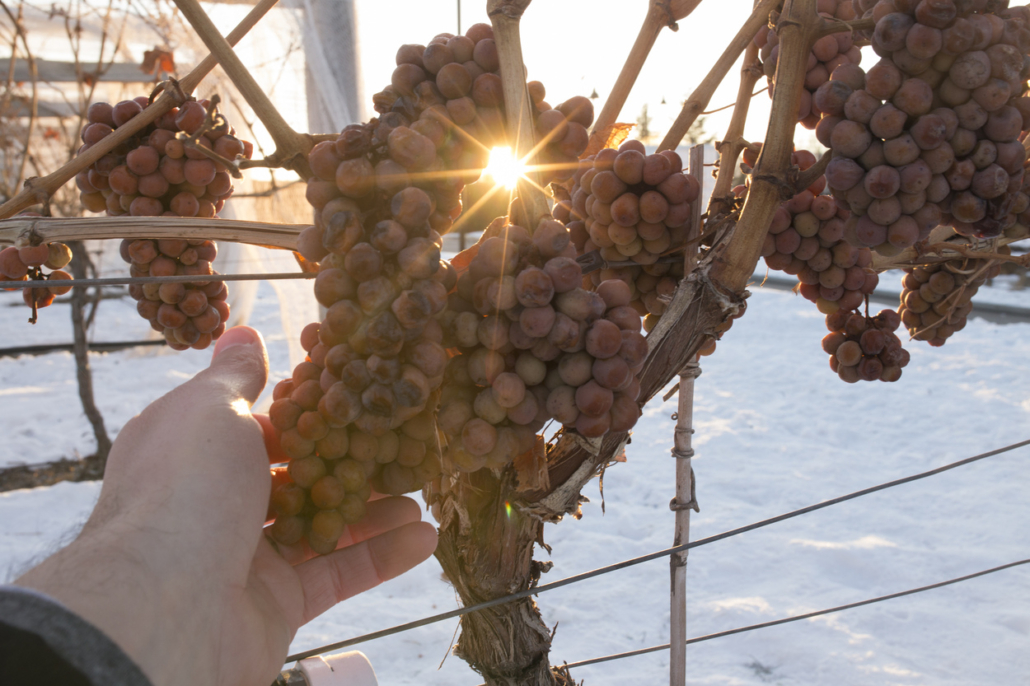
British Columbia’s diverse landscapes and varied microclimates are proof that world-class wines can thrive at the edge of viticultural limits. From coastlines to inland desert, the land stretches across the province in dramatic contrast, each ridge and fold shaped by ancient glaciers, powerful volcanoes, and fast-moving rivers. These features are not just a geologist’s paradise, they’re a winemaker’s windfall. Over millennia, this geological activity has created nutrient-rich soils and distinctive terrain, giving rise to nine fertile grape-growing regions that shine on the world stage.
Somewhere between mineral-rich soils and climate extremes lies the art and science of winemaking in BC—a nuanced craft that local vintners continue to refine in one of the most unique winegrowing regions in the world.
Did you know?
There are 12,681 acres (5,132 hectares) of wine grapes in British Columbia’s nine wine regions, officially called ‘Geographical Indications’, or GIs.
Winemaking North of the 49th Parallel
Despite northern latitudes, many parts of BC are surprisingly sunnier and drier than expected, supporting a long growing season, giving the grapes ample time to develop exciting flavours. During the peak summer months, the province sees as much as 16 hours of sunshine each day, which is more than many other regions around the globe.
Distinct Microclimates
Across the province, each of the nine wine regions has unique microclimates, influenced by weather patterns and shaped by the land. Maritime areas like Vancouver Island, the Gulf Islands, and the Fraser Valley benefit from ocean breezes that support cool-climate varieties. In contrast, interior regions such as the Okanagan Valley, Similkameen Valley, and Lillooet experience hotter, drier summers and colder winters—conditions that allow for a broader range of grape varieties to thrive.
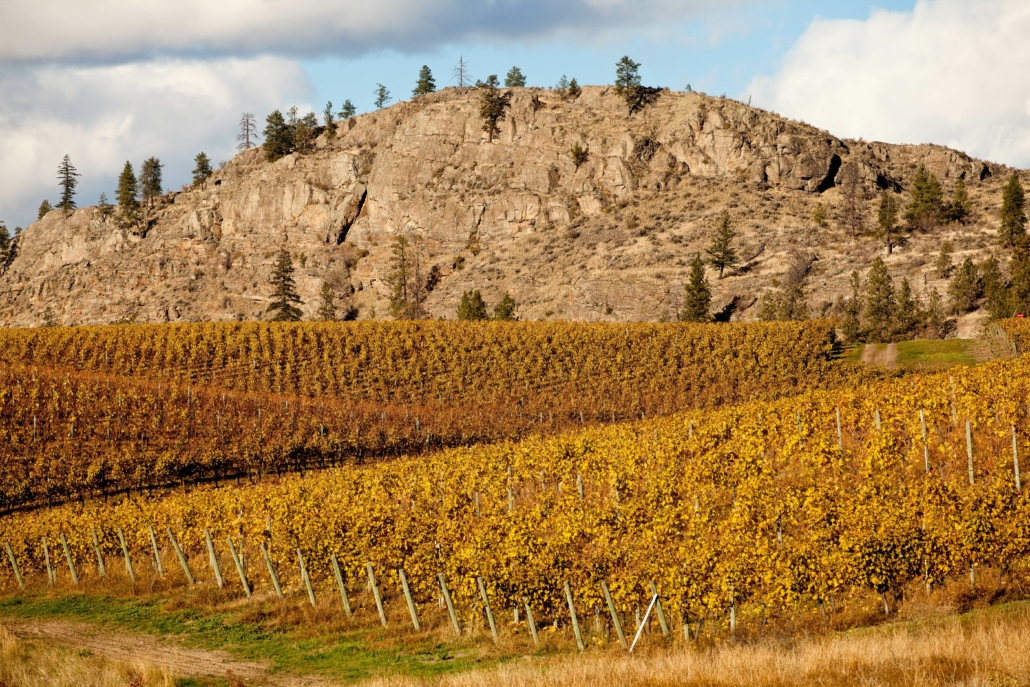
Major mountain ranges like the Coast, Cascade and Columbia mountains create rain shadows that protect vineyards from excess moisture. Inland vineyards in Osoyoos and Summerland receive only 32cm of rain per year, which is even less precipitation than famous regions like the Napa Valley and Bordeaux. Meanwhile, winds funnel over bodies of water, across peaks, and through valley corridors, helping to regulate the climate and create consistent conditions for grape-growing. Dramatic swings between daytime heat and cool nighttime lows preserve the bright acidity that has become a signature of BC wine.
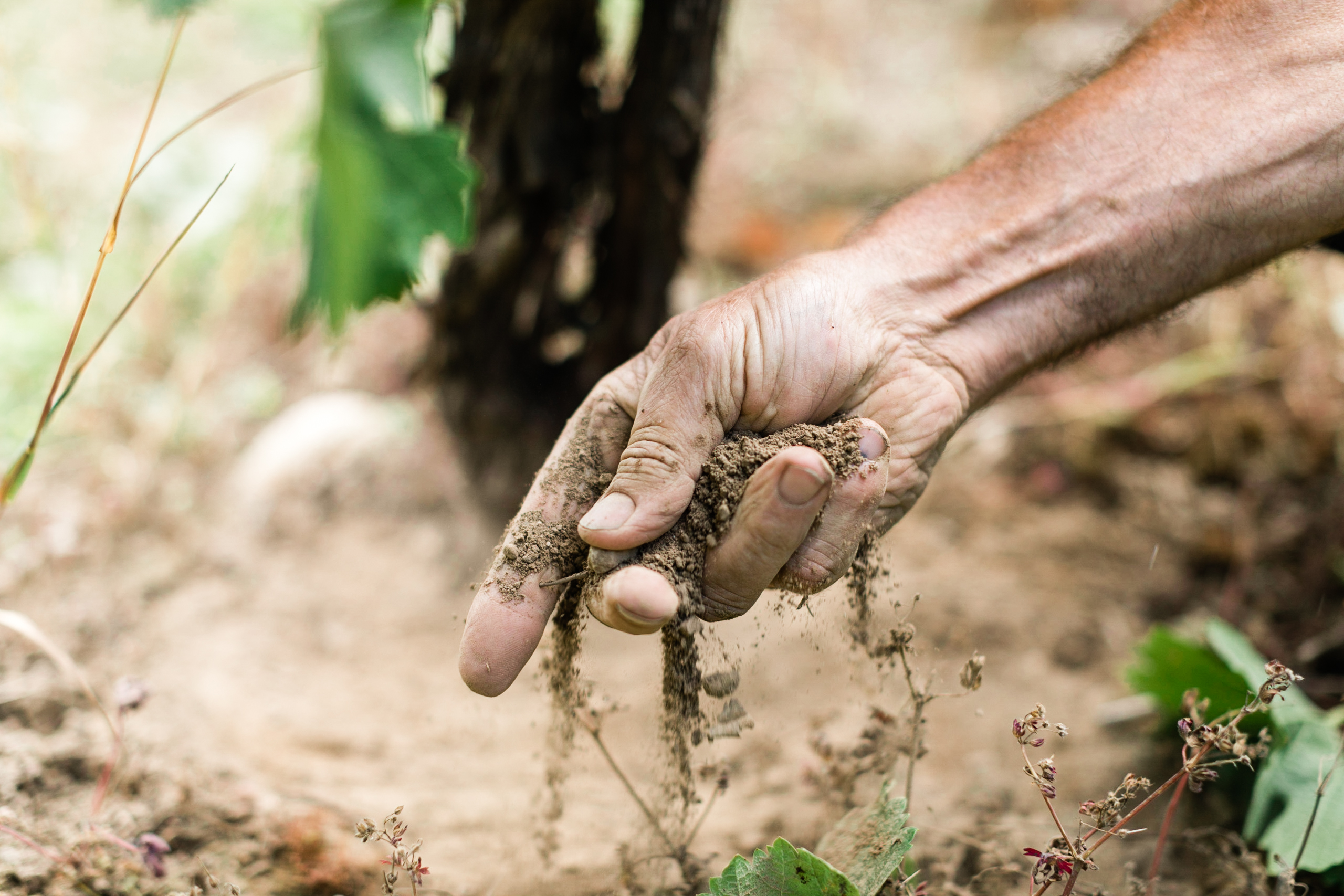
The Story is in the Soil
The land’s fascinating geological history has forged a diverse tapestry of soils, shaped by years of sedimentation, stream and meltwater deposits, glacial till, windblown deposits and colluvial action. From ancient remnants to mineral-rich layers, each wine region has its own unique soil composition, with certain grape varieties especially well suited to thrive in each. Vintners work in harmony with the earth and climate to craft a layered story in every sip.
Explore
Wineries of BC
From coastal shores to desert hills, discover handcrafted wines shaped by spectacular landscapes and distinctive terroirs of BC’s nine wine regions.
Shuswap
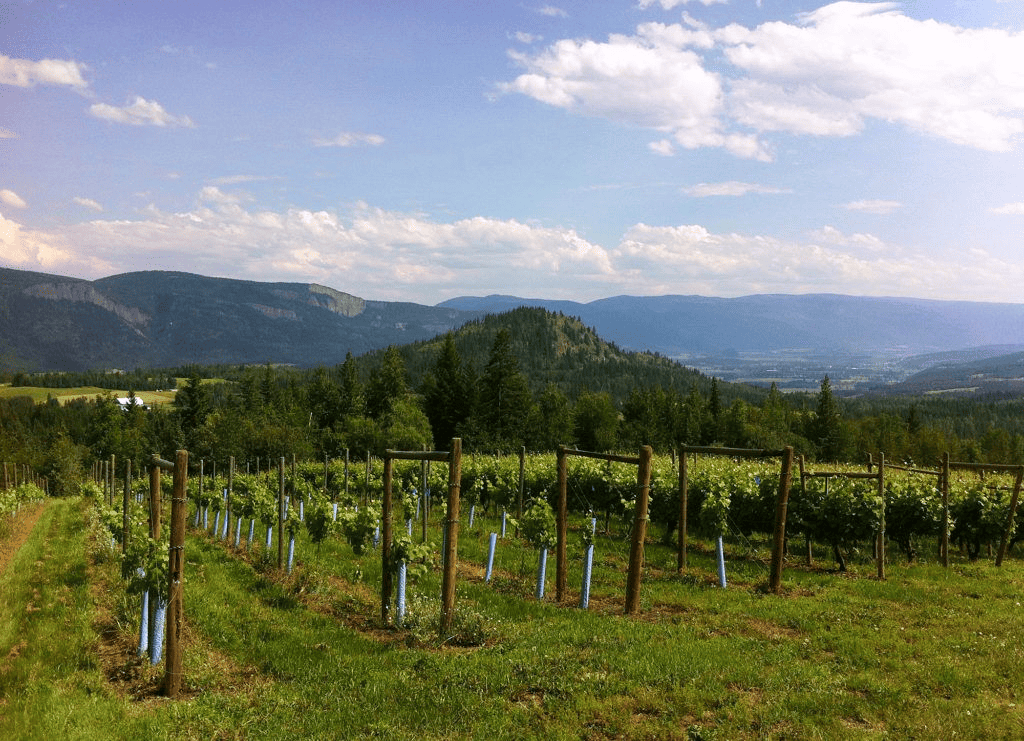
Shuswap
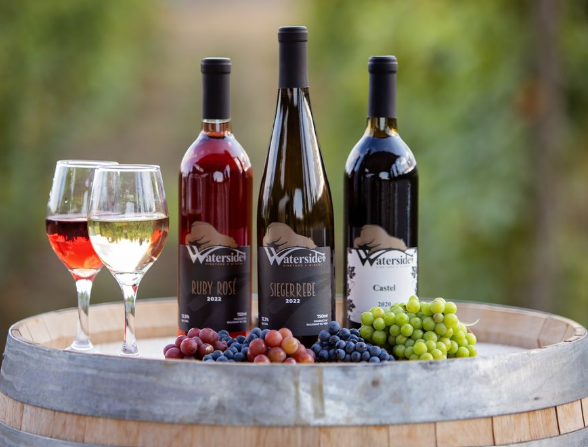
Similkameen Valley
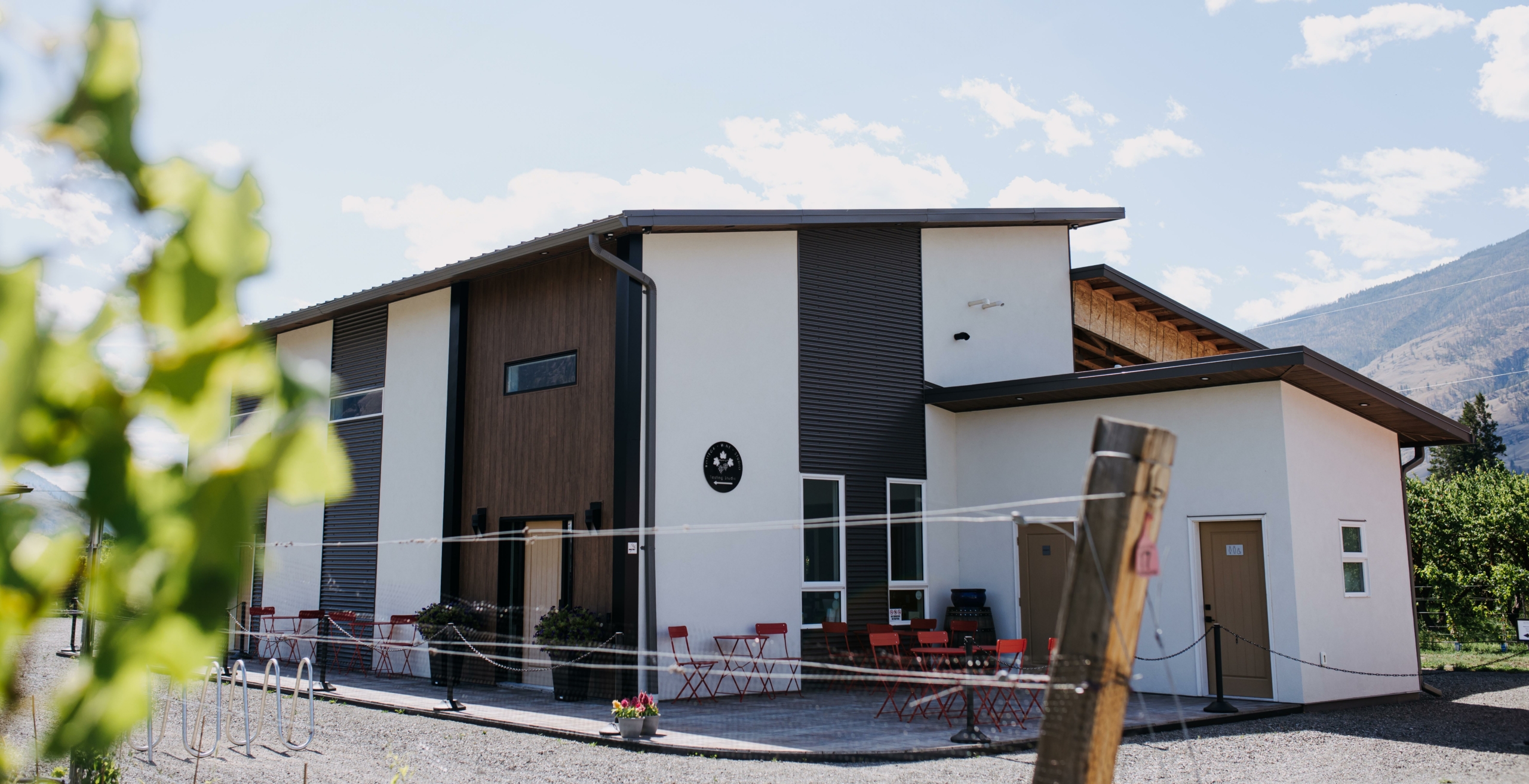
Central Okanagan Valley
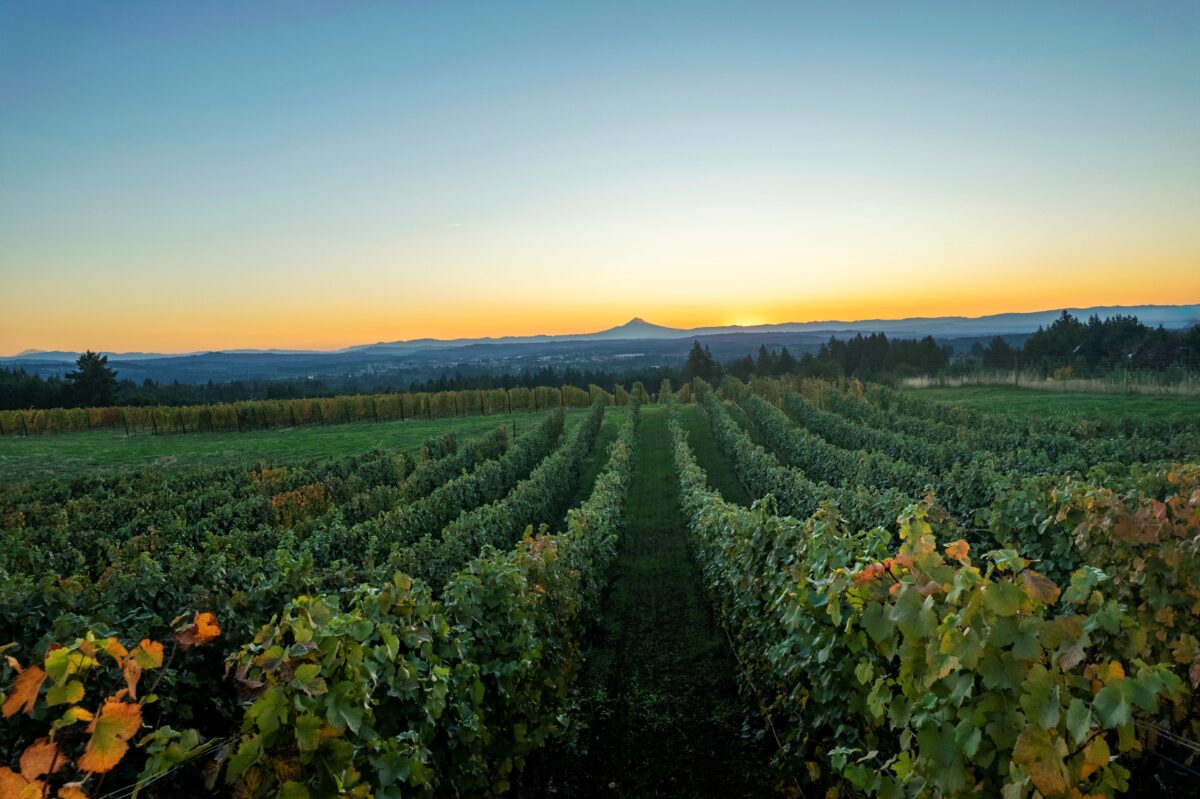
South Okanagan Valley
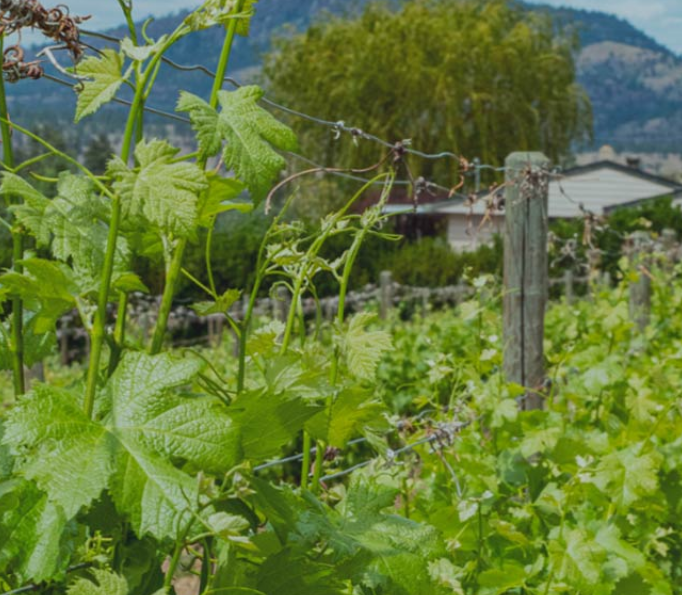
Central Okanagan Valley
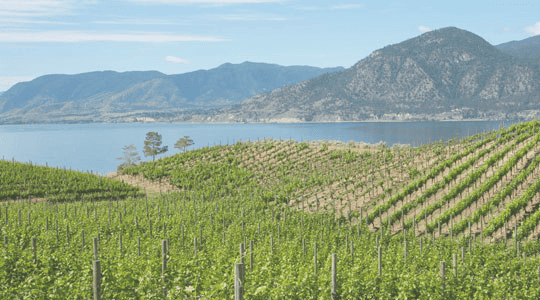
North Okanagan Valley

Fraser Valley
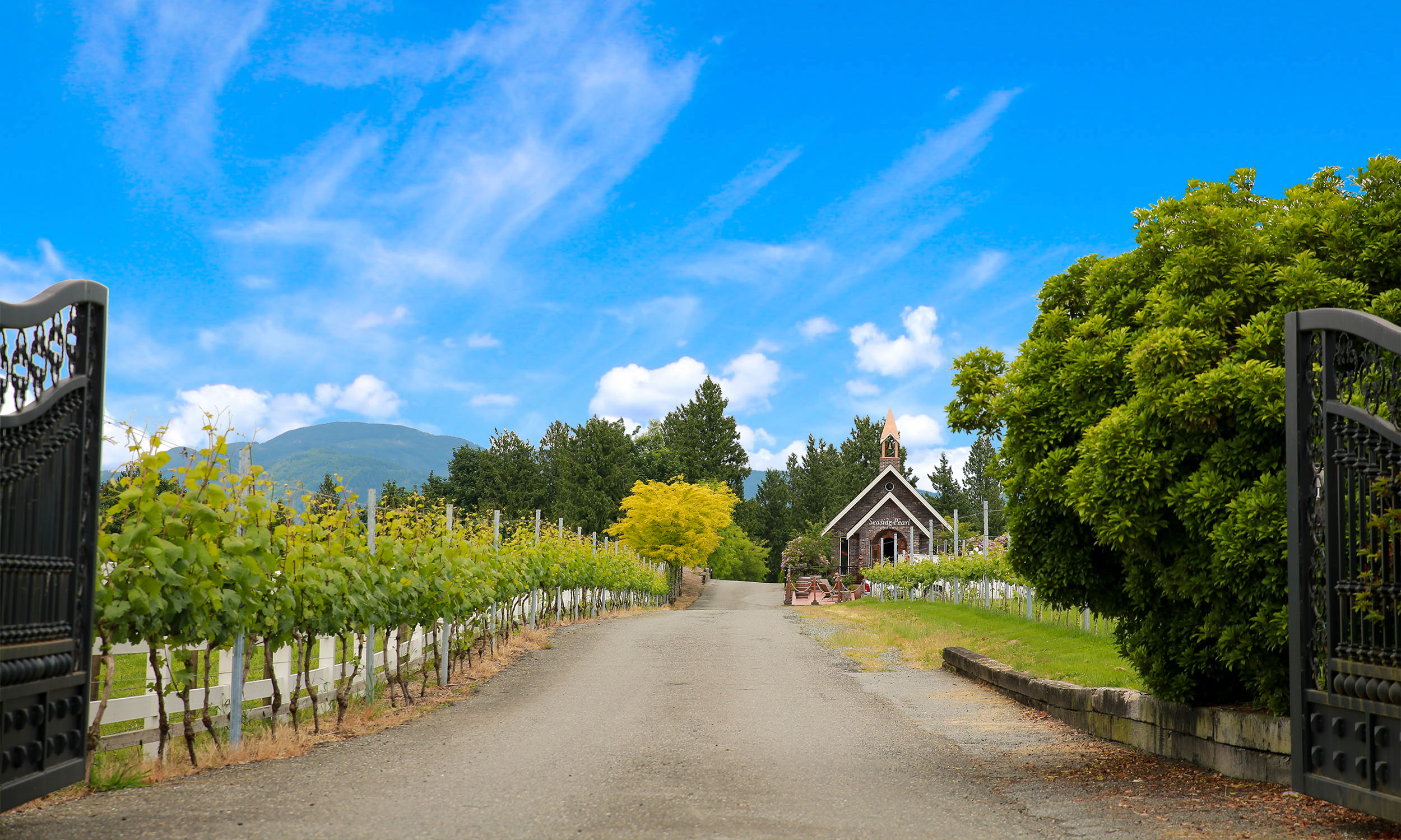
Similkameen Valley