Wine Varietals
The diverse grape varieties across BC’s nine wine regions yield wines known for fresh acidity, full flavour, and elegant structure.
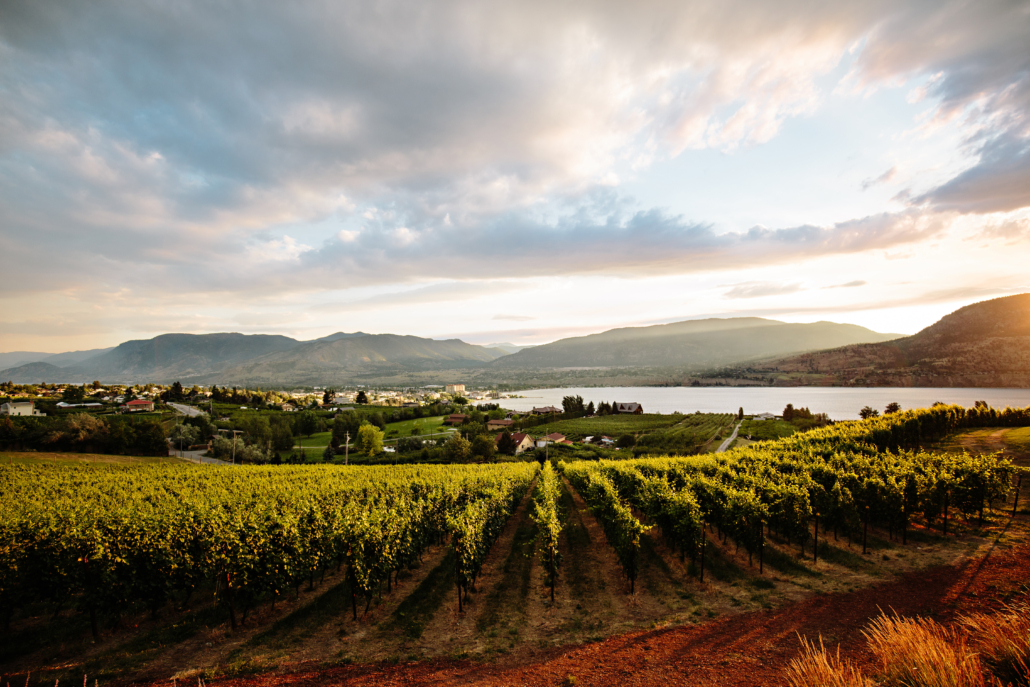
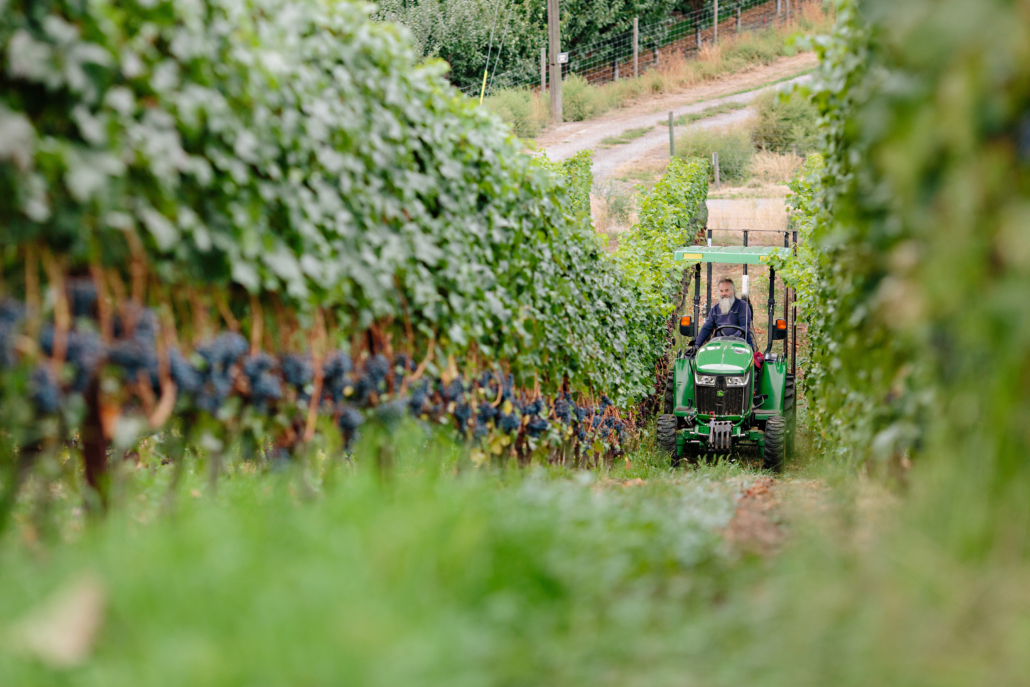
You’ll find over 12,000 acres of vineyards producing a wide array of grape varieties across British Columbia’s nine wine regions, known as Geographical Indications (GIs). From the sun-drenched slopes of the Okanagan Valley to the coastal breezes of Vancouver Island and the Gulf Islands, each region offers something special. BC’s extraordinary range of climates and soils gives the wines a distinctive character: vibrant natural acidity, pure fruit flavours, and a balance that shines through in every glass.
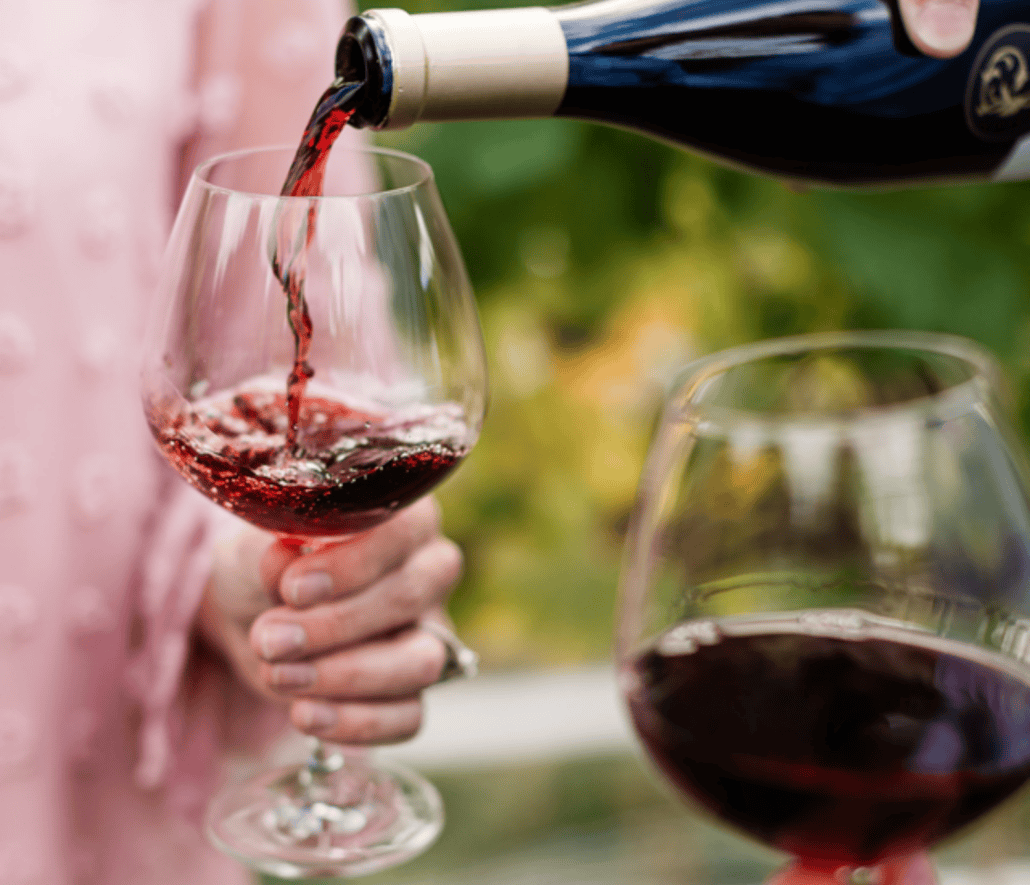
Our white wines are celebrated for their freshness, elegance, and complexity, while red wines from BC often show beautiful structure and ageability thanks to natural tannins. Whether you’re sipping a juicy Pinot Noir or a crisp Riesling, BC wines consistently turn heads around the world, winning awards and earning praise from top wine critics and enthusiasts alike.
BC Red Wines: Bold, Elegant and Agreeable
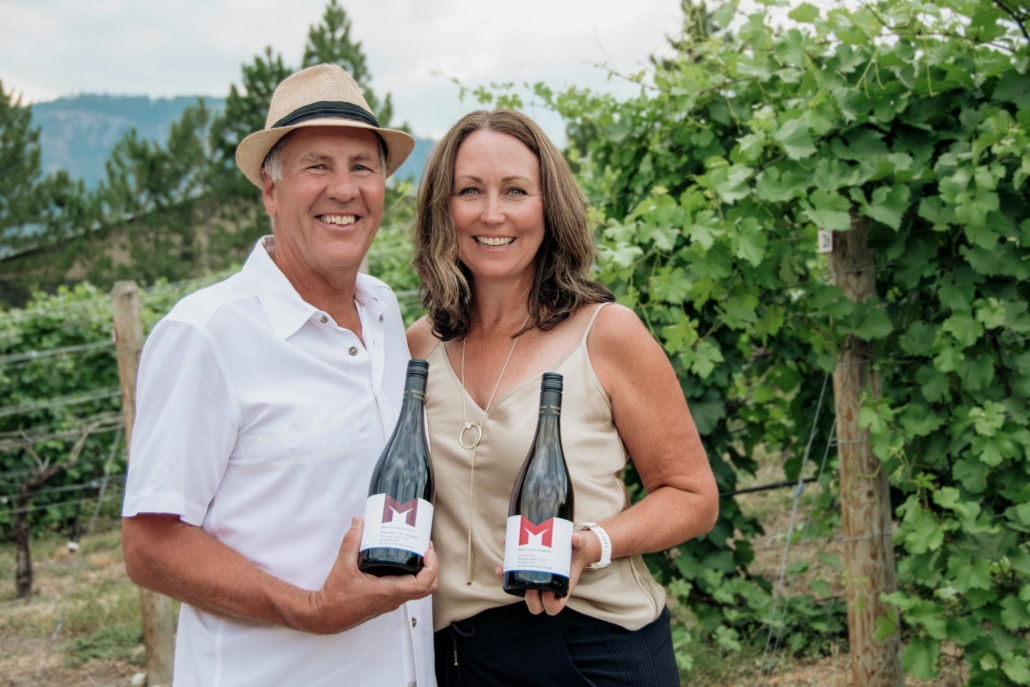
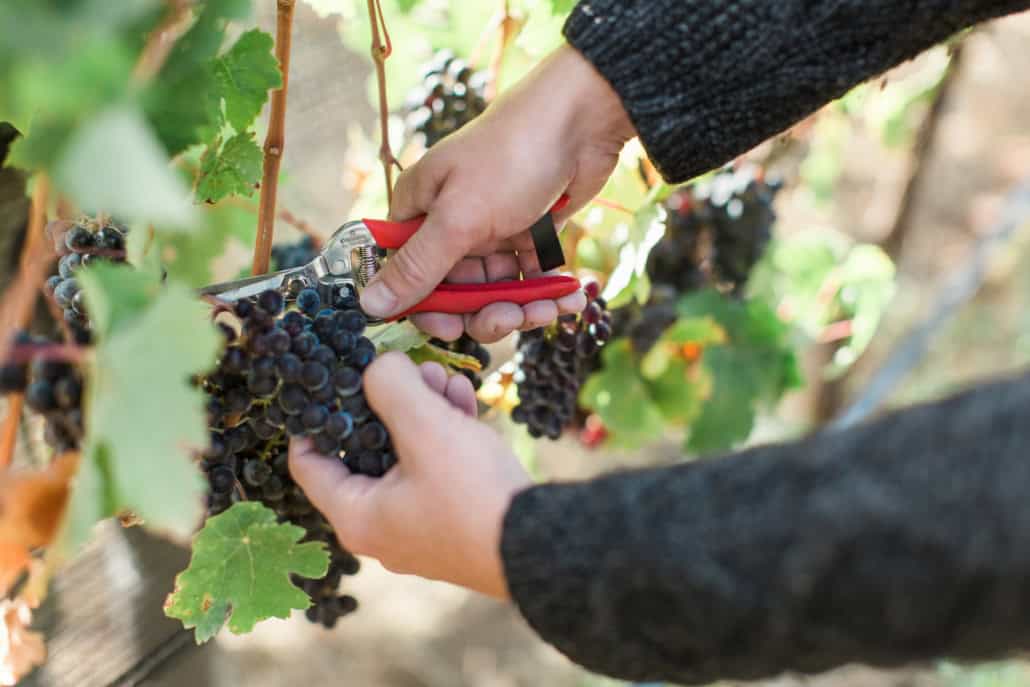
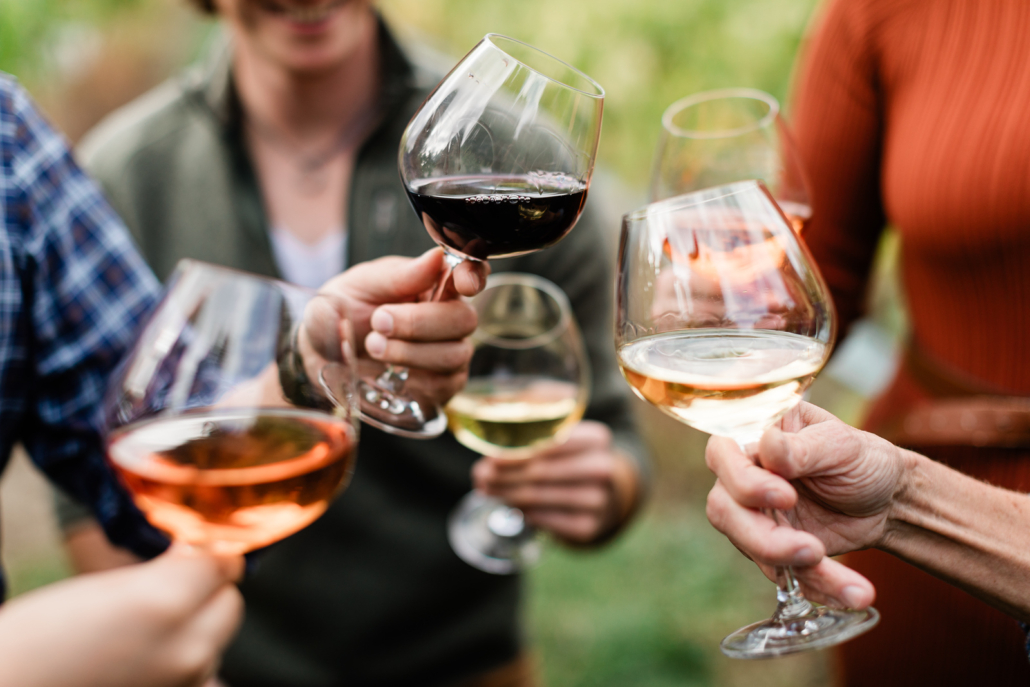
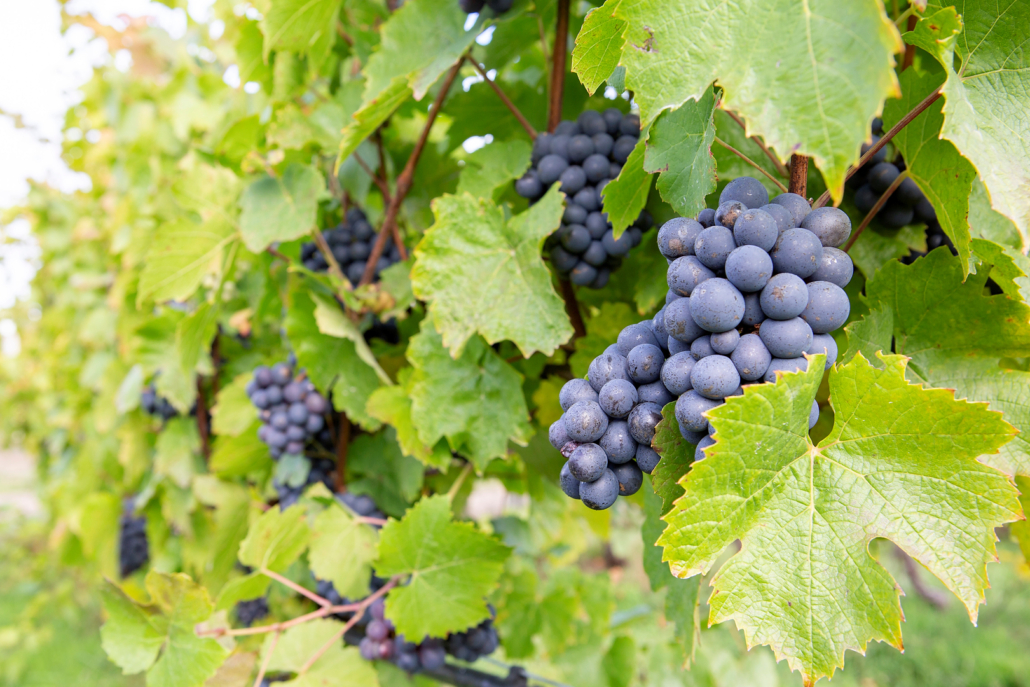
British Columbia’s red wines reflect both the diversity of the growing regions and the skill and passion of our winemakers. Thanks to the dramatic landscape and a climate that offers warm days and cool nights, BC reds are known for their structure, freshness, and complexity. From lighter, elegant styles to full-bodied age-worthy wines. The most widely planted red grapes in BC vineyards are Merlot, Pinot Noir, and Cabernet Sauvignon. Additional grape varieties include Cabernet Franc, Syrah/Shiraz, and Gamay Noir.
BC White Wines: Bright, Fresh and Full of Character
British Columbia is home to an exciting range of white wines that showcase our signature vibrant acidity, fresh fruit flavours, and expressive aromatics. From zesty and refreshing to something more rich and full, BC’s diverse terroir offers something for every palate and pairing occasion. The most widely planted white grapes in BC vineyards are Pinot Gris, Chardonnay, and Riesling. Additional grape varieties include Gewürztraminer, Sauvignon Blanc, and Pinot Blanc.
BC Sparkling Wines: Always a Reason to Celebrate
Thanks to our cool climate and naturally high acidity, British Columbia is exceptionally well-suited to producing crisp, elegant sparkling wines with bright fruit character. Winemakers across the province craft a wide range of sparkling styles from light and lively to refined Traditional Method bubbles made using the same process as Champagne. Many of BC’s top sparkling wines are made with this method: aged for one to four years on their lees before release, allowing the wine to develop a unique richness and complexity. Most are produced from classic grape varieties like Chardonnay and Pinot Noir, but you’ll also find delicious examples made from Riesling and other aromatic grapes.
Sparkling wine is gaining recognition from BC’s coastal wine regions, especially on Vancouver Island and the Gulf Islands. Here, you might spot the term Charme de l’Île on bottles. Meaning “charm of the island,” this term refers to sparkling wines made using the Charmat method from grapes grown in these regions. This method traps bubbles in stainless-steel tanks, resulting in fresh, fruit-forward wines that beautifully reflect their island terroir.
The Rise of BC Rosé
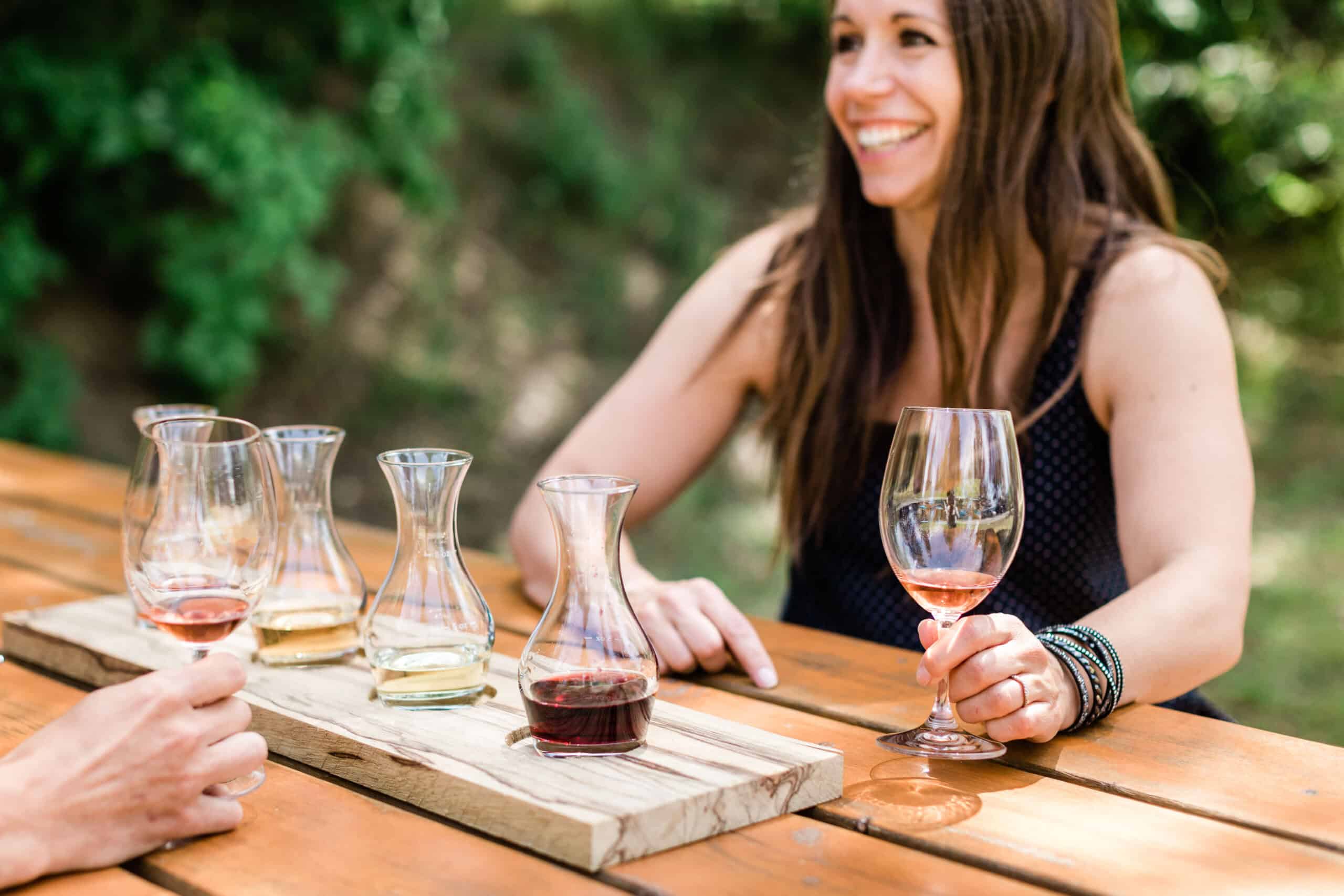
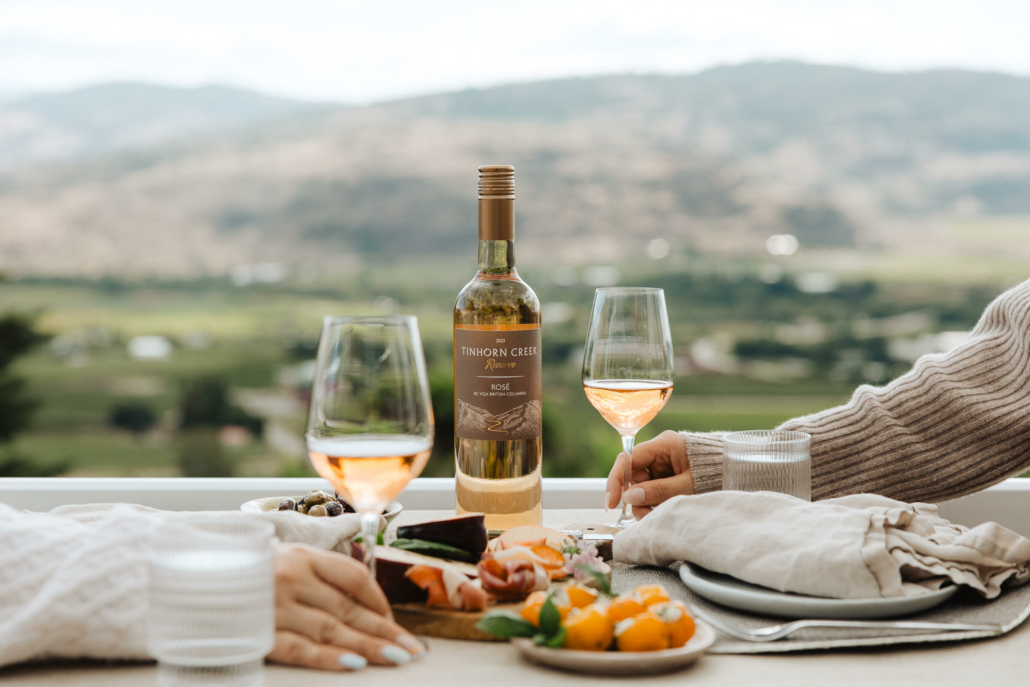
BC rosé has gained in popularity with its fresh, fruit-forward style. While most wineries produce a dry style Rosé, some produce wines with residual sugar balanced by wonderful, vibrant acidity. From pale blush to vibrant pink and even sparkling, BC Rosé is made from a variety of grapes like Pinot Noir, Syrah, Gamay Noir, or a blend.
BC rosés are beautifully balanced and bright, making them perfect pairing partners, or to enjoy lakeside on one of British Columbia’s beautiful beaches or restaurant patios.
BC Icewines & Late Harvest Wines: Sweet By Nature
Icewine might have started as a happy accident in 18th-century Germany, but today, Canada plays a starring role in its story. In fact, Canada is now recognized as a world leader in Icewine production—thanks in part to British Columbia wineries like Hainle Vineyards Estate Winery in Peachland, which produced Canada’s very first Icewine in 1978.
Made from grapes that freeze naturally on the vine—usually in the chill of night when temperatures drop to -8℃ or cooler—Icewine is a rare and luxurious treat. Only a few wine regions in BC, like the Okanagan Valley and Similkameen Valley, get cold enough in winter for this labour-intensive process. That means in most years, just a handful of wineries are able to make Icewine. The result is worth the wait: lusciously sweet, intensely flavoured wines with bright acidity and notes of honey, stone fruit, and citrus peel.
Late Harvest wines are another sweet style to explore. These are made by leaving grapes on the vine longer into the season so they naturally develop more sugar. Fermentation is carefully halted to preserve that sweetness, resulting in a wine softer than the ultimate luxuriousness of Icewine, but more intensely flavoured and sweeter than table wine. Late Harvest wines are perfect for pairing with desserts or simply enjoying on their own.