5 Ways BC Winegrowers Are Rethinking Sustainability in the Vineyard
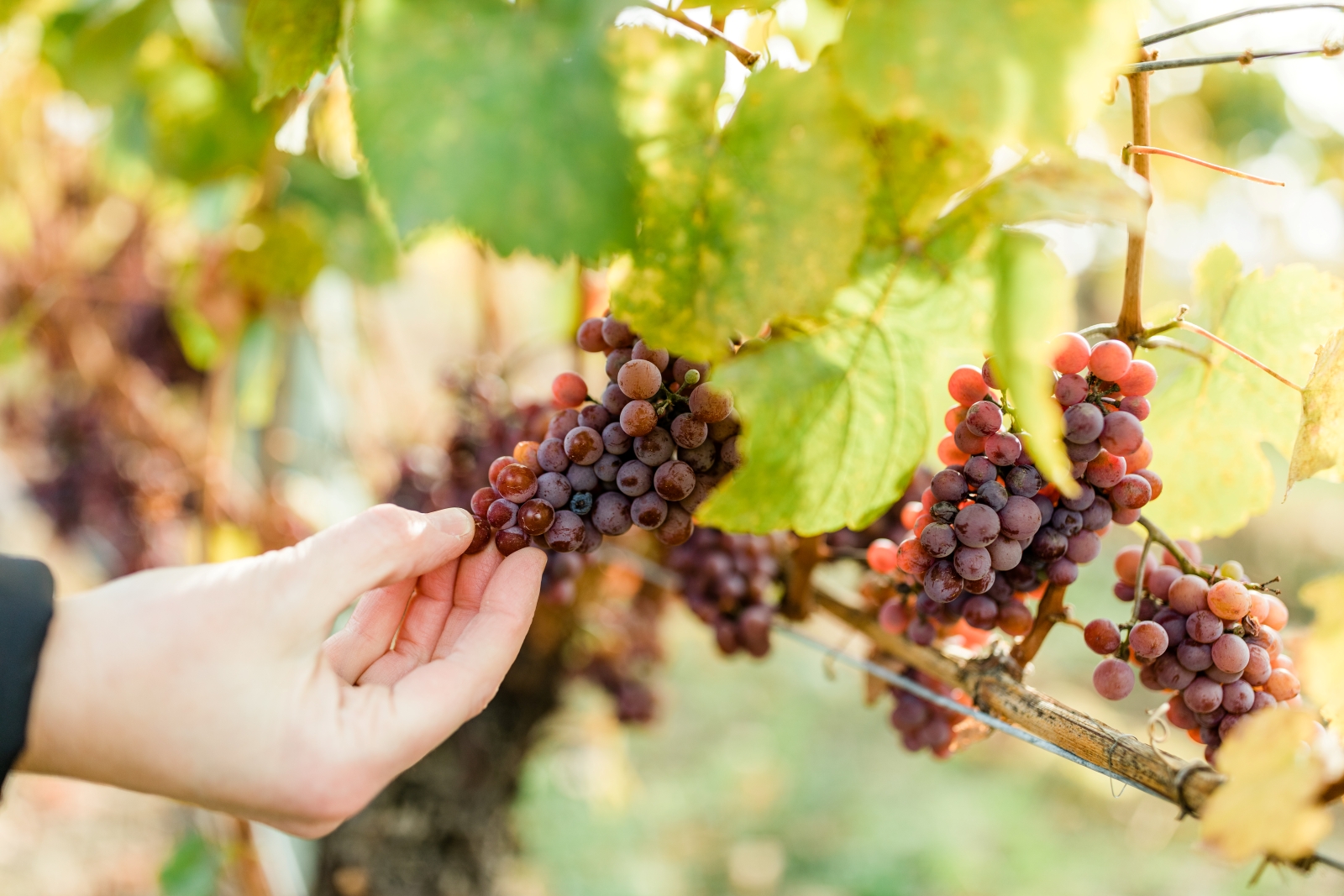
A bottle of wine captures a moment in time: one vintage, one growing season, and one expression of a vineyard. But the potential of that vineyard extends far beyond a single harvest, shaped by how it’s farmed and stewarded over time.
For the people farming BC wine country, decisions made today can shape the land for decades. A cover crop planted this year, a change in irrigation, healthier soil or a different approach to pests will influence what a vineyard can produce long into the future.
That long-term view is at the heart of sustainable winegrowing in British Columbia. It also means recognizing that there’s no universal formula. What makes sense in the Cowichan Valley may not make sense in the Similkameen Valley. A vineyard in Lillooet faces very different pressures from one in the Shuswap or on the Naramata Bench.
The common thread is curiosity: paying attention, experimenting, adapting and trying to leave the land in better shape for those who farm it next.
1. Start with the soil
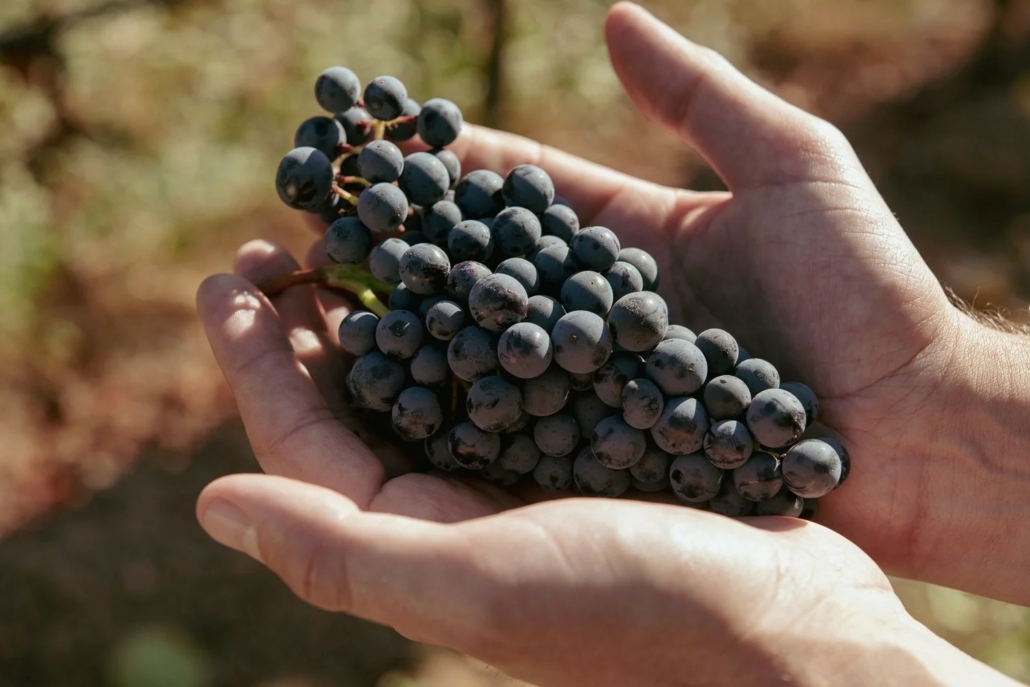
For Felix Egerer, viticulturalist at Unsworth Vineyards in the Cowichan Valley, one of the best ways to understand a vineyard is to stop looking at the vines. “Healthy” doesn’t necessarily mean perfectly manicured rows, he says. It means a place alive with diverse organisms, above and below ground.
Walk through one of Egerer’s vineyards and he might suggest digging a hole. He wants visitors to see and smell the living soil beneath their feet. He also points to the abundance of orb-weaving spiders between the rows as a sign of a functioning ecosystem.
For Egerer, biodiversity isn’t an aesthetic extra. Insects feed predator populations, while diverse plants protect and build the soil.
Vancouver Island’s growing conditions make that balance particularly important. Abundant moisture encourages vigorous vines and large canopies, while lower heat accumulation, shorter daylight hours and fall rain can make ripening and disease management challenging. The answer isn’t simply to fight those conditions, but to understand them.
Egerer describes the Island’s climate as “brittle,” prompting changes to everything from leaf-removal timing and equipment to the varieties, rootstocks and trellis systems being considered for the future. It’s also made soil health an increasingly important focus: holding water in the soil, maintaining cover crops and minimizing unnecessary disturbance can help vineyards make better use of precipitation while supporting microbial life.
That willingness to adapt extends to the details of how the vineyard is managed. Egerer has experimented with different cover crops, for example, learning the hard way that hairy vetch can get away from you. After a warm spring sent it climbing through the trellis, the team ultimately had to remove it by hand. For Egerer, even a failed experiment is useful if it reveals something about the vineyard and helps inform the next decision.
2. Understanding your Terrior: No two vineyards are the same
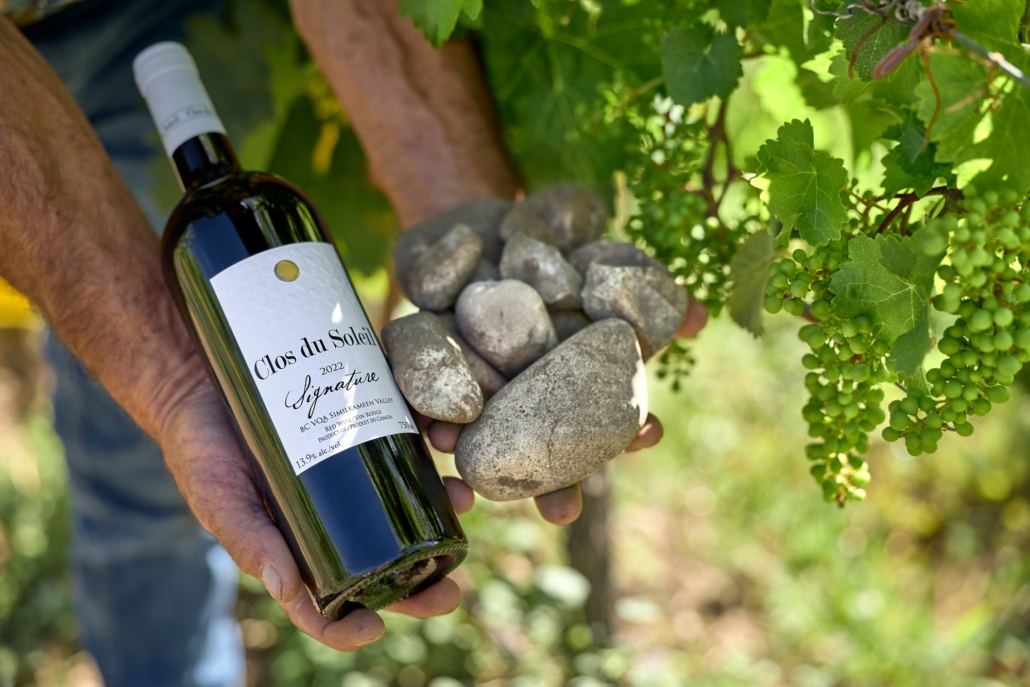
In the Similkameen Valley, Michael Clark of Clos du Soleil Winery sees sustainable farming as fundamentally rooted in understanding place. With high winds, stony soils and steep slopes, the geography demands a tailored approach.
“Quality farming, and sustainable farming is about respecting and understanding the land,” Clark says. “Therefore, it needs to look slightly different in every location.”
The vineyards at Clos du Soleil are certified organic and farmed biodynamically, with an emphasis on encouraging life and natural processes. The vineyard is treated as a small ecosystem that needs to function as a whole. That means soil health and biodiversity aren’t separate from wine quality. “They are really all the same goal,” Clark says.
That philosophy also leaves room for experimentation. At Clos du Soleil, the team tries new approaches every year, knowing that some ideas will work and others won’t. The point is to learn from the vineyard and keep refining how it is farmed.
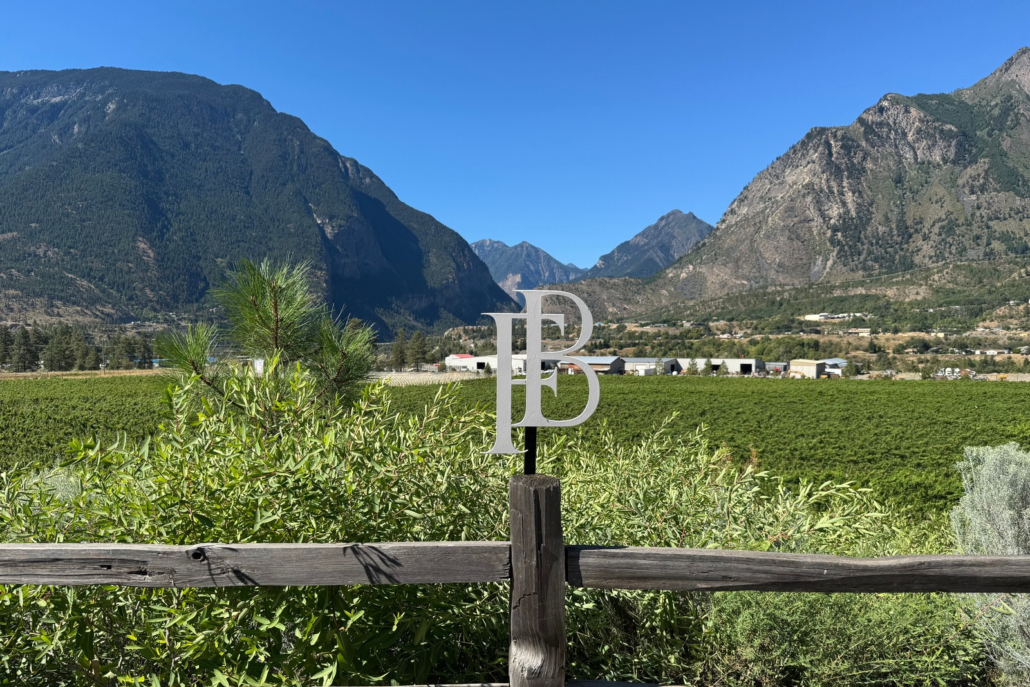
The idea is echoed in Lillooet, where Seth Jex, winemaker at Fort Berens Estate Winery, farms a site with hot, dry conditions creating a very different set of priorities. Fort Berens has varying soil profiles across the property, so the team is increasingly tailoring its approach to individual blocks and, eventually, individual rows.
Jex sees a future where years of experience and data help the team better understand what different parts of the vineyard need, whether it’s more water, nutrients or less leafy growth so the grapes can ripen properly.
That precision is already informing experiments in the vineyard. Jex has been testing reduced sulphur applications and found that some areas showed no increase in mildew, while others did, even within the same grape variety. The result isn’t a simple “yes” or “no”; it’s more information about the vineyard. As Jex puts it, sustainability is about being a good listener: listening to the vines and soils, but also to the needs of the team and community.
Sustainability is less a prescribed list of practices than an ongoing process of figuring out what allows a particular place, and the people working there, to thrive.
3. Keep Experimenting with Regenerative Farming
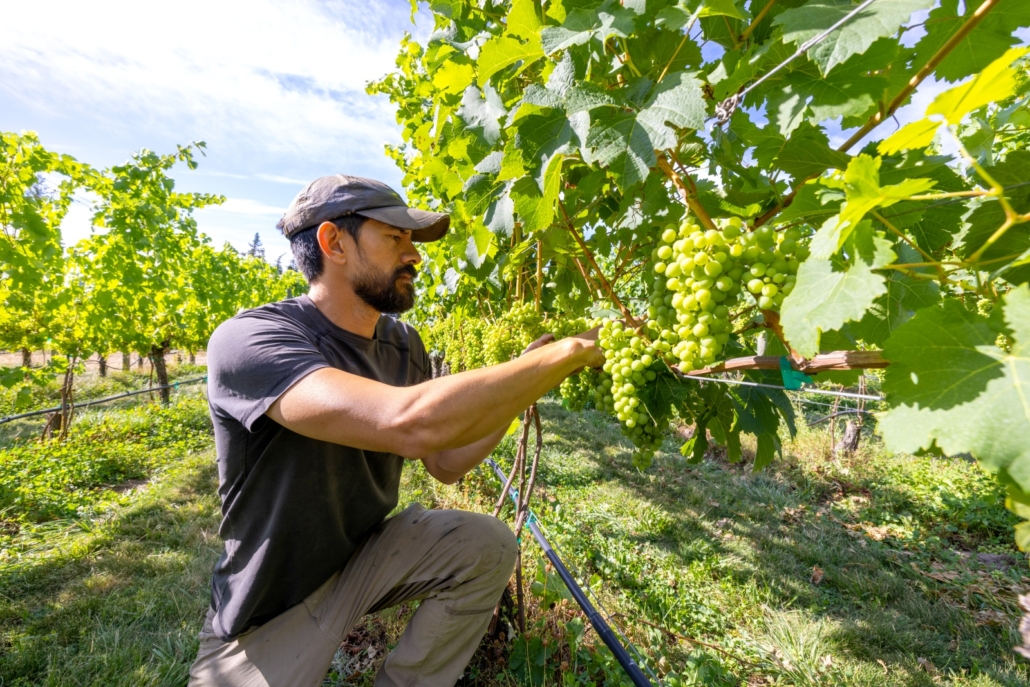
At Sunnybrae Vineyards & Winery in the Shuswap, James Clark’s regenerative farming journey eventually led him to biochar after a pile of dead vineyard wood left by winter freeze events prompted him to look for another use for it.
The idea was to turn a waste product into something that could benefit the vineyard. Biochar is a porous form of carbon that can help retain nutrients from compost and provide habitat for microorganisms. After seeing a demonstration of the Kontiki Kiln, Clark began experimenting with making biochar from the dead wood on the property.
At Sunnybrae, the first vineyard application happened this spring, so the project is still very much a work in progress. Clark plans to monitor the soil and continue learning from the results rather than assuming he already knows the answer.
That approach reflects his broader view of regenerative farming. He wants to build abundant microbial life in the soil so that, over time, it can provide more of what the vineyard needs without relying on conventional fertilizers and amendments. Other small steps include raptor poles, insect netting, undervine cover cropping and composting.
For Clark, sustainability is a continuous loop. The goal is not simply to take from the land, but to give something back and gradually improve the natural ecosystem. “You do not take without giving back,” he says.
4. Growing a Culture of Sustainability
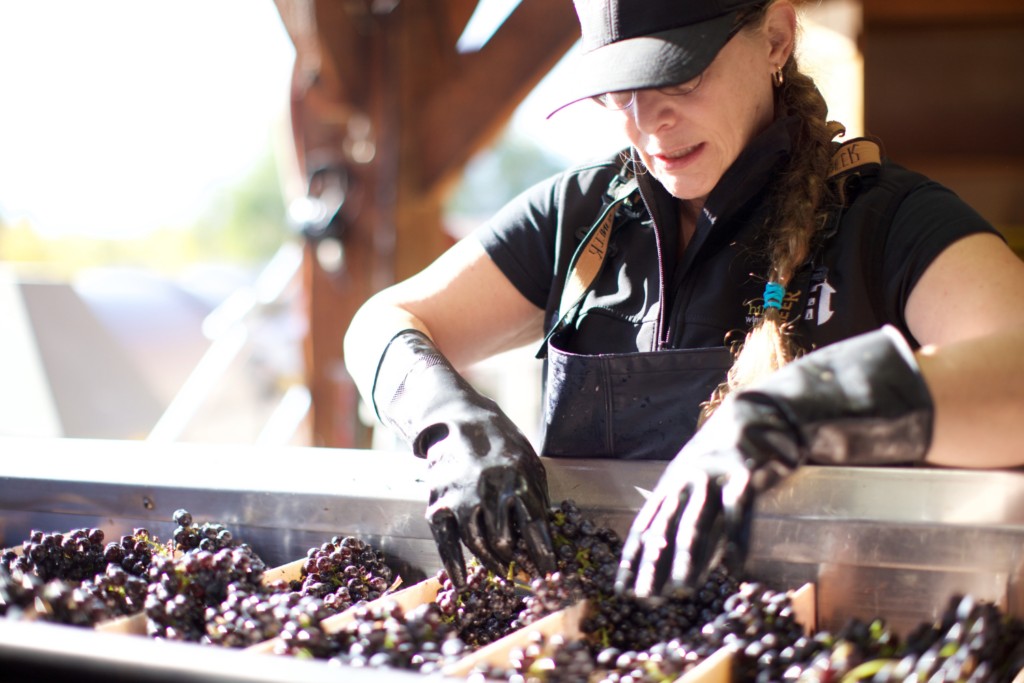
For Kathy Malone, winemaker at Hillside Winery & Bistro on the Naramata Bench, one of the most important pieces of BC’s sustainability story is a homegrown certification program designed to help growers turn good intentions and good farming practices into measurable progress.
Malone has been involved with Sustainable Winegrowing BC since its early development, beginning with the self-assessment process around 2007, and continues to serve on the program’s advisory committee.
At Hillside, much of that work involves the independent growers who supply the winery. The challenge isn’t necessarily convincing growers to farm sustainably; many are already using strong practices. It’s helping them document those practices and navigate the certification process.
For example, a grower may already be using strong integrated pest management practices, but if those practices aren’t recorded, they become difficult to demonstrate during an audit.
The previous process could require more than 100 hours of work, making time and oversight barriers to participation. Hillside has worked to make the process more accessible through workshops, templates and information, while also offering premiums for grapes from certified vineyards and for growers completing the self-assessment.
The newer step-wise approach is designed to make certification more manageable, with growers spending approximately 25 to 35 hours a year working through the modules and preparing for future audits.
For Malone, the goal goes beyond Hillside. She’d like to see British Columbia able to boast a high percentage of Sustainable Winegrowing BC-certified vineyards.
It’s a reminder that sustainability isn’t only about what happens in an individual vineyard. Building a culture of sustainable winegrowing also depends on collaboration, practical support and giving growers the tools to keep moving forward.
5. Beyond the Next Harvest: Building for Tomorrow
Ask these growers what they hope their vineyards look like in 20 or 30 years and the answers vary, but the underlying idea is consistent.
At Unsworth, Egerer is thinking about the long-term implications of every decision because perennial crops and land carry consequences far beyond a single season.
At Clos du Soleil, Michael Clark aims for resilience: vineyards capable of adapting to a changing climate while continuing to produce fruit that expresses its origins.
At Fort Berens, Jex sees a vineyard increasingly understood at the level of individual blocks and rows, informed by years of accumulated observation and data.
At Sunnybrae, James Clark imagines soil rich with microbial life and capable of supplying the vineyard without conventional fertilizers and amendments.
And Malone at Hillside is looking at the larger network of growers needed to make sustainable winegrowing part of the culture of BC wine.
The goal isn’t simply to maintain a vineyard as it is today, but to build its potential for tomorrow: healthier soil, greater biodiversity, smarter use of resources, more resilient businesses and knowledge that can be passed to the next generation.
The Vineyard Behind the Bottle
For wine drinkers, much of this work is invisible. You can taste the fruit, but you can’t taste the microbes in the soil. You may notice the character of a wine from Vancouver Island or the Similkameen Valley, but you can’t necessarily see the decisions about irrigation, cover crops or biodiversity that helped produce it.
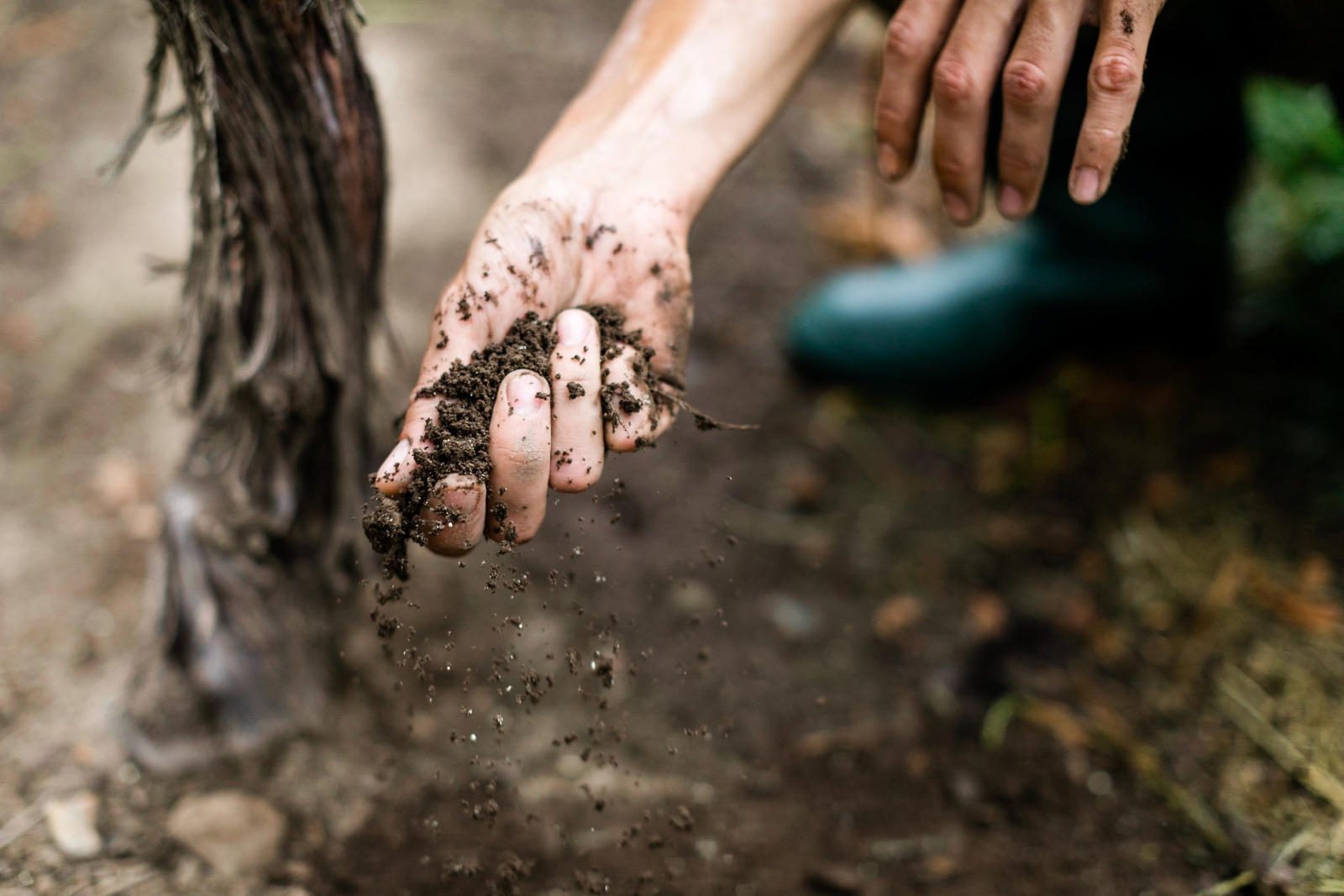
That’s one reason visiting BC wine country can change the way we experience a bottle. A walk in the vineyard can reveal the grass and flowers beneath the vines at Fort Berens. At Sunnybrae, an undervine strip can tell the story of several years of experimentation. At Clos du Soleil, Michael Clark would scrape back the grasses and herbs to show visitors the living soil underneath. At Unsworth, a shovel can reveal an entire world beneath the vines.
These aren’t just technical details. They’re part of the story of BC wine, and stories worth seeing in person. The next time you visit a BC winery, look beyond the tasting room and ask about the vineyard: what are the growers learning, how are they thinking about the land for the years ahead, and what do you see growing between the rows?
A bottle of wine captures one harvest, but the potential of a vineyard reaches much further. It’s shaped by the care, curiosity and choices of the people farming it today, and by what they leave behind for those who will follow.

Allison Wallace
Allison Wallace is an award-winning wine and travel writer and co-author of AdVINEtures, where she explores the people, places and stories behind wine. She brings more than 25 years of communications experience, including two decades in senior leadership with a global travel company, to her storytelling. Allison holds WSET and Canadian Wine Scholar (CWS) designations and is a Wines of BC Ambassador.