HISTORY OF BC WINE
In BC, winemakers harness the power of terroir to tell the rich history of the land and its people.
British Columbia’s wine story is woven through the threads of time, connecting us to land, life, and legacy. Each release is deeply rooted in place, on land stewarded by Indigenous Peoples since time immemorial.
Winemaking in BC started with humble beginnings. European settlers introduced viticulture to the province in the 1800s, with the first winery established in the 1930s. Since then, the wine industry has flourished, expanding to nine distinct wine regions and attracting more than one million visitors each year. Today, the province is home to over 300 wineries, a thriving and diverse scene that celebrates terroir and the passionate communities behind each pour.


First Vines in BC
The Okanagan Valley is the cradle of winemaking in British Columbia. The whispers of grape-growing began in 1859, when Father Charles Pandosy planted the first vines at the Oblate Mission in Kelowna.
In the early 20th century, the temperance movement—combined with wartime restrictions—led to a Canadian prohibition on alcohol from 1912 to 1922. This stalled BC’s winemaking progress, but only temporarily. Once Prohibition was lifted, settlers resumed experimentation. In 1927, renowned local horticulturist J.W. Hughes planted grapes in what would later be known as Pioneer Vineyards (now Tantalus Vineyards). Just five years later, in 1932, Calona Vineyards opened its doors in Kelowna, becoming the first official winery in the province.
Flourishing in the Post-Prohibition Era
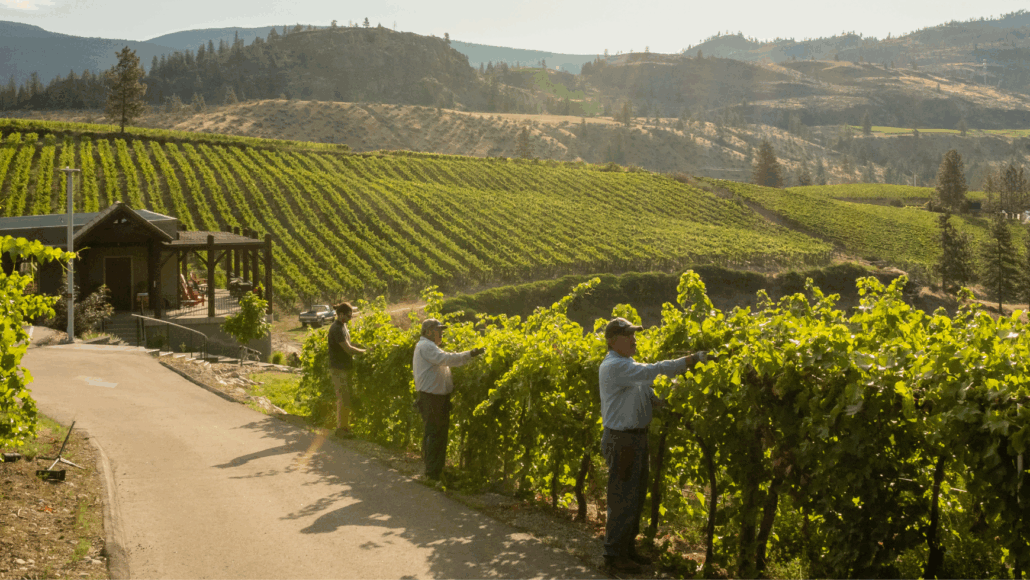
In the decades following Prohibition, winemaking in BC began to accelerate, still largely centred in and around the Okanagan Valley. By 1966, total vineyard plantings had reached 2,000 acres (810 hectares). In the mid-1970s and early 1980s, growers started experimenting with vinifera vines, identifying the varieties best suited to ripen and produce premium-quality wine. This was a major turning point in BC’s wine story. By 1984, there were 13 operating wineries in the province, but the best was yet to come.
BC Wines on the World Stage
The 1990s marked another pivotal decade for BC’s wine industry, with vineyard expansions and the establishment of Vintners Quality Alliance (VQA) standards. VQA is a mark of origin and a commitment to quality, authenticity, and the expression of regional terroir. A watershed moment came in 1994, when Mission Hill Family Estate’s 1992 Grand Reserve Chardonnay won the Avery Trophy for “Best Chardonnay Worldwide” at the International Wine and Spirit Competition. That recognition continues today: in 2023 alone, BC VQA wines earned more than 1,500 medals in national and international competitions.
BC’s wine industry continues to push the boundaries of what’s possible, shining with a global reputation for quality, distinction, and sustainability.
Did you know?
In 2004, Bruce Nicholson of Jackson-Triggs Okanagan Estate was named Winemaker of the Year at the prestigious San Francisco International Wine Competition, further cementing BC’s place on the global wine stage.
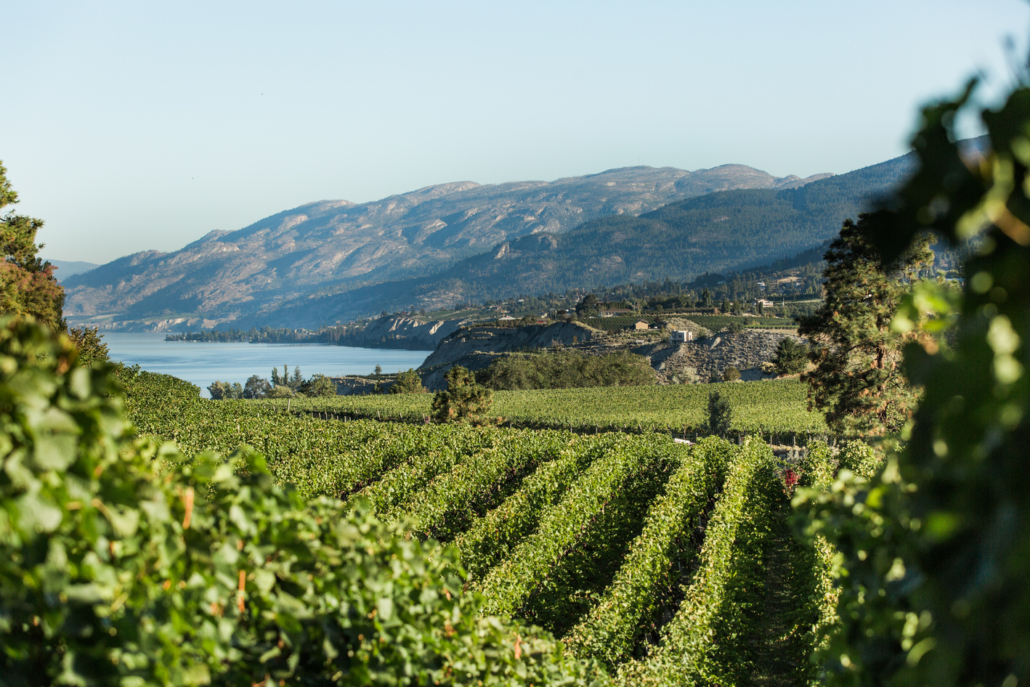
Shaping the Future of BC Wine
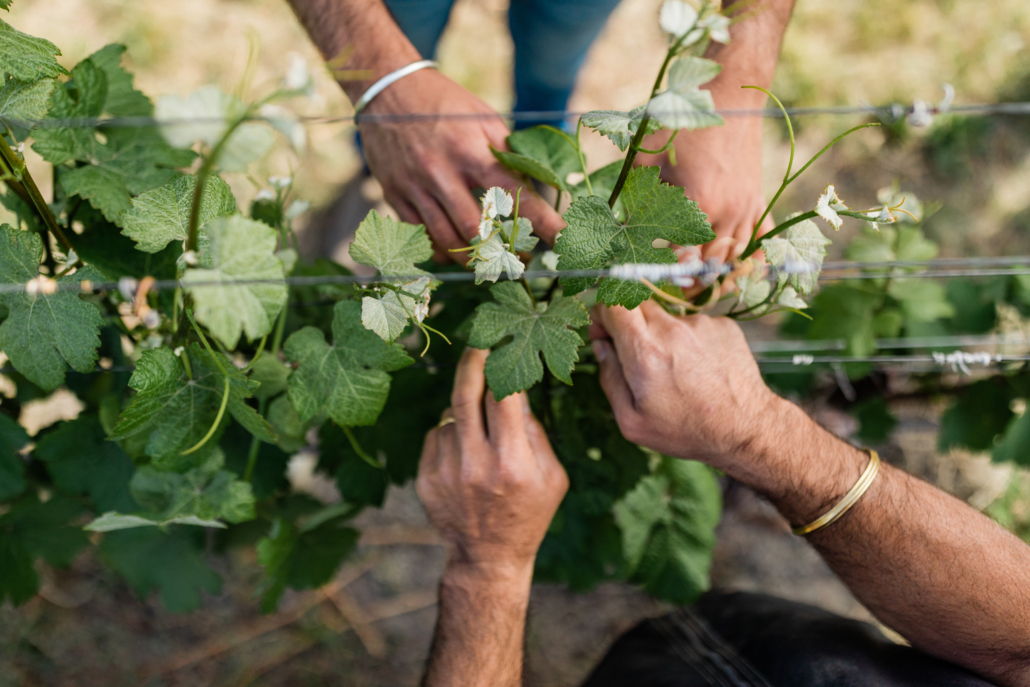
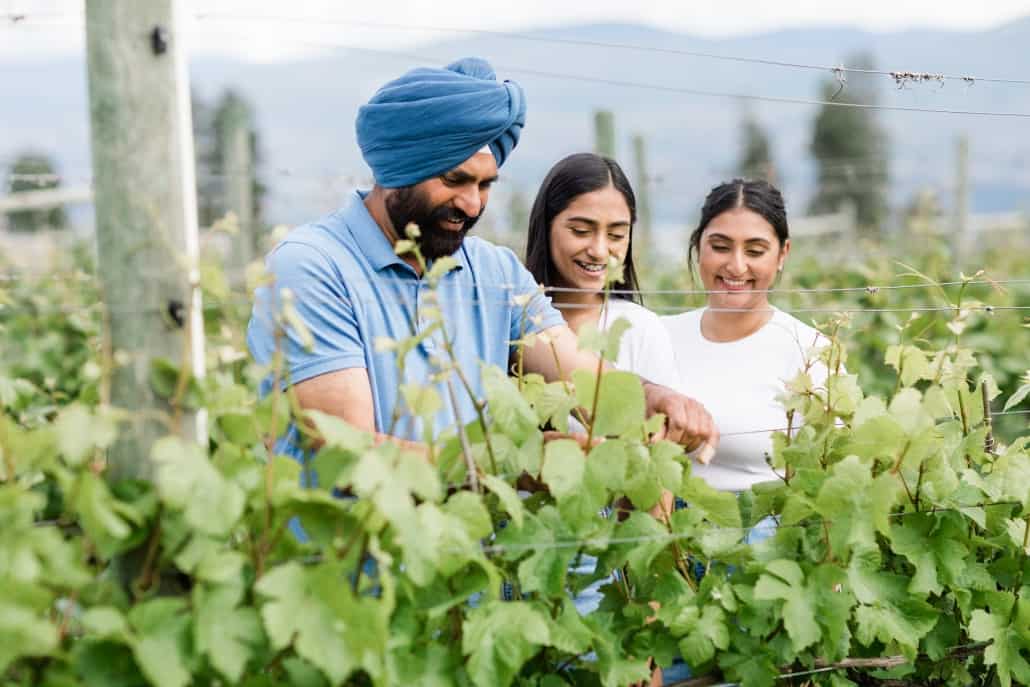
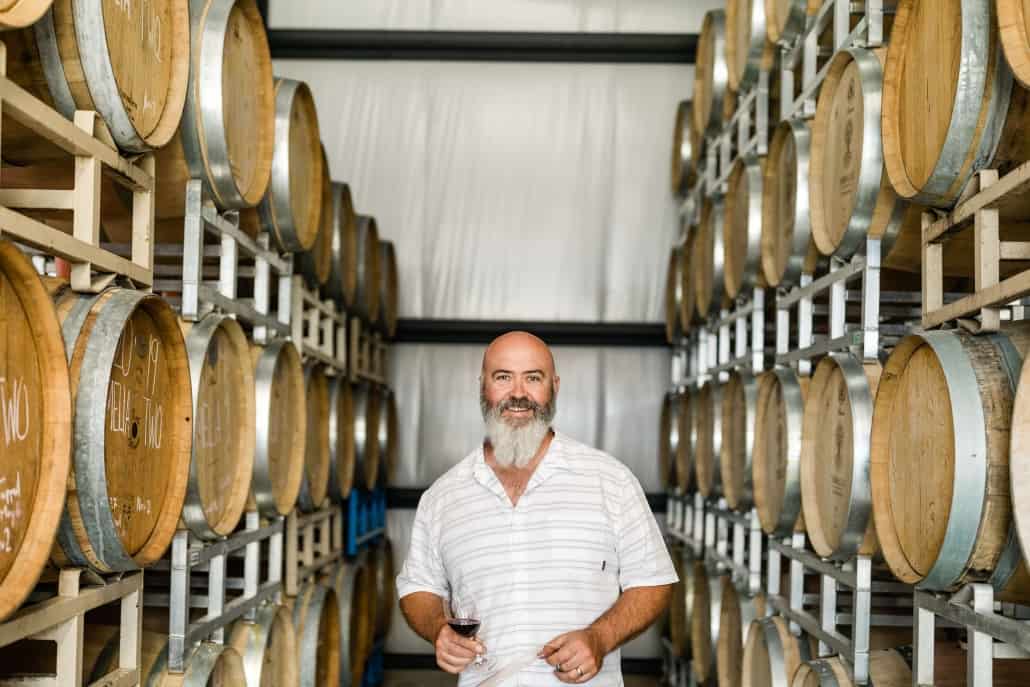
As BC wine matures, its future is rooted in place—literally. From the Golden Mile Bench to Naramata, winemakers are defining new sub-regions that reflect the unique character of their vineyards. With increased vine age, deepening expertise, and a growing commitment to sustainability, BC’s wines are showing more intensity, complexity, and the ability to age beautifully. As global demand rises and more producers earn certification for sustainable practices, the next chapter of BC wine is one of bold potential and unmistakable sense of place.
Did you know?
There are currently nine wine regions and 12 sub-regions in British Columbia, with more under development. They are also known as Geographical Indications or GIs (and sub-GIs) to further classify the unique growing conditions in each area of the province.
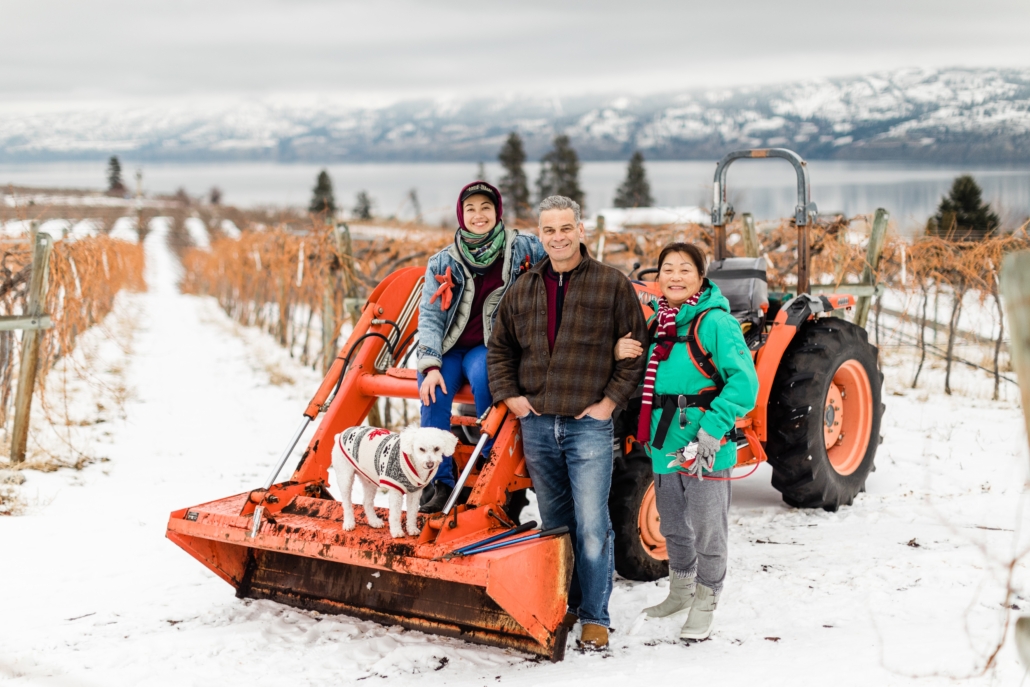
Indigenous Winemaking
Indigenous Peoples have cared for the lands and waters of this region since time immemorial, and that stewardship endures today. In 2002, Nk’Mip Cellars became the first Indigenous-owned winery in North America, producing award-winning wines that reflect a deep respect for the land. The winery is a vibrant celebration of culture, community, and connection, inviting visitors to experience the power of patience, tradition, and shared stories.
Located in the hottest and driest part of Canada, the Osoyoos Indian Band shares the story of environmental respect and sustainable land use. Guests can visit the Nk’Mip Desert Cultural Centre to learn more about the history, knowledge, and resilience of the Osoyoos Band, then sample the terroir for themselves in a guided wine tasting.
Did you know?
BC wine contributes $3.75 billion annually to the provincial economy.
Wineries
TERROIR IN A GLASS
British Columbia’s mountain ranges, lush valleys, desert landscapes and pristine waters inspire vibrant whites and expressive reds. Sample a range of wines, shaped by the stories of the land and the passionate wine farmers who produce world-class vintages.
Central Okanagan Valley
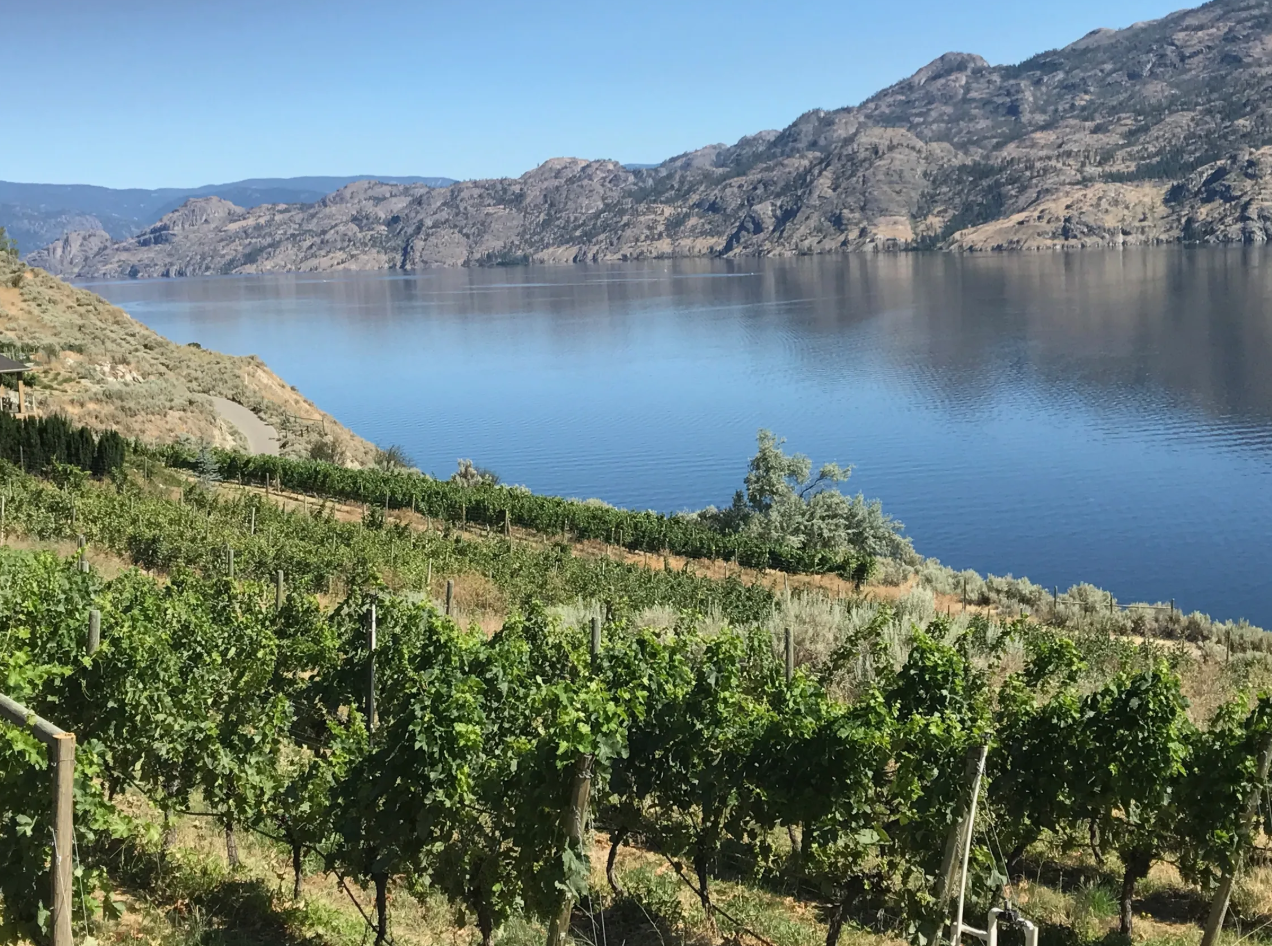
Central Okanagan Valley
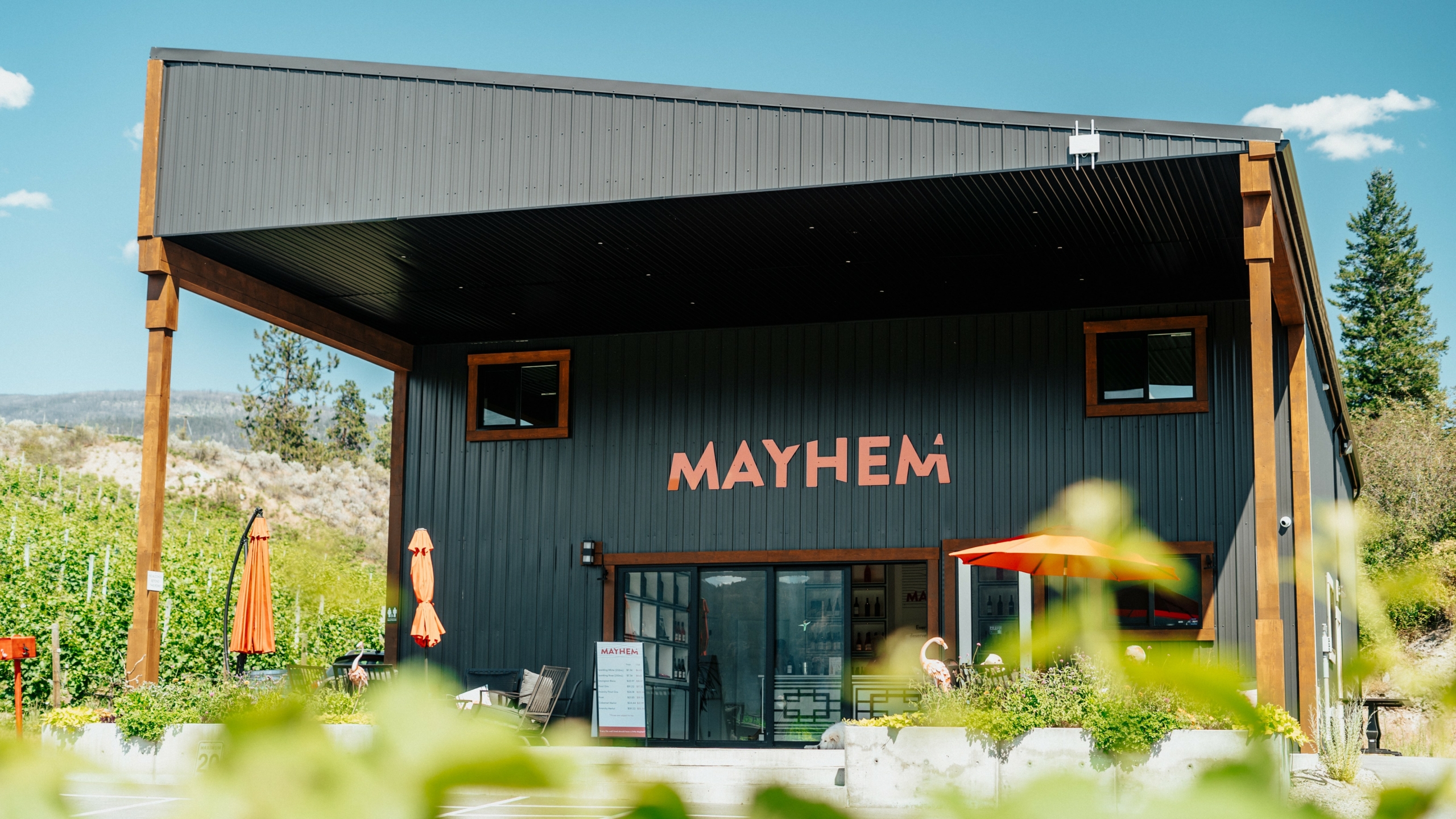
Central Okanagan Valley
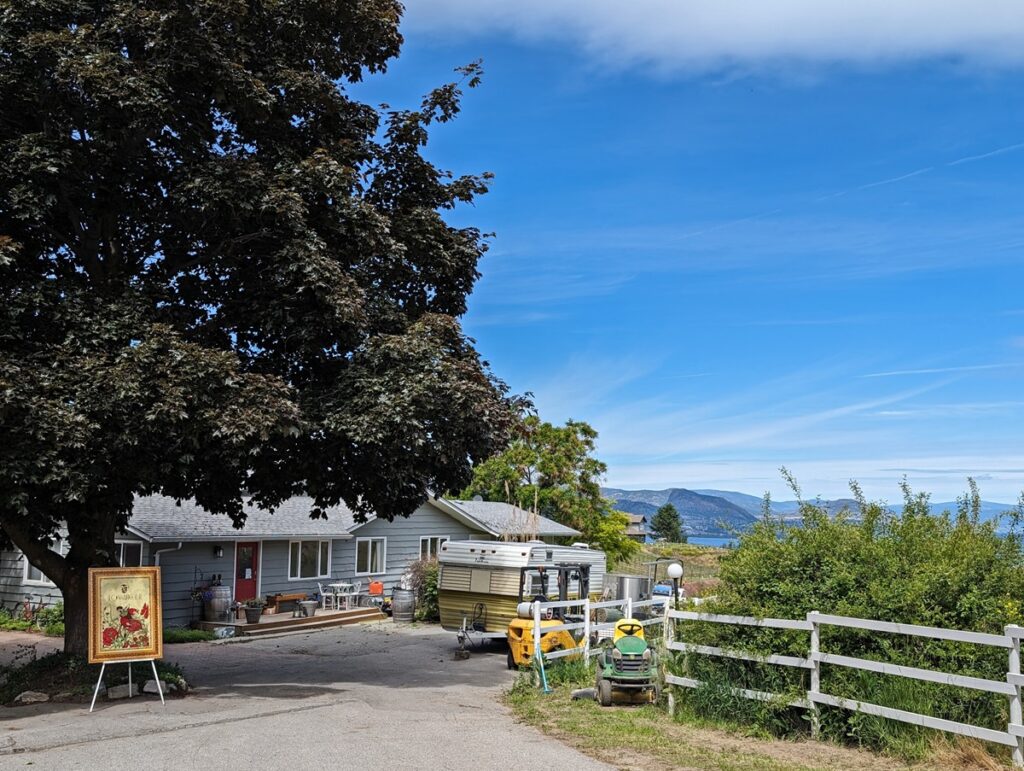
Central Okanagan Valley
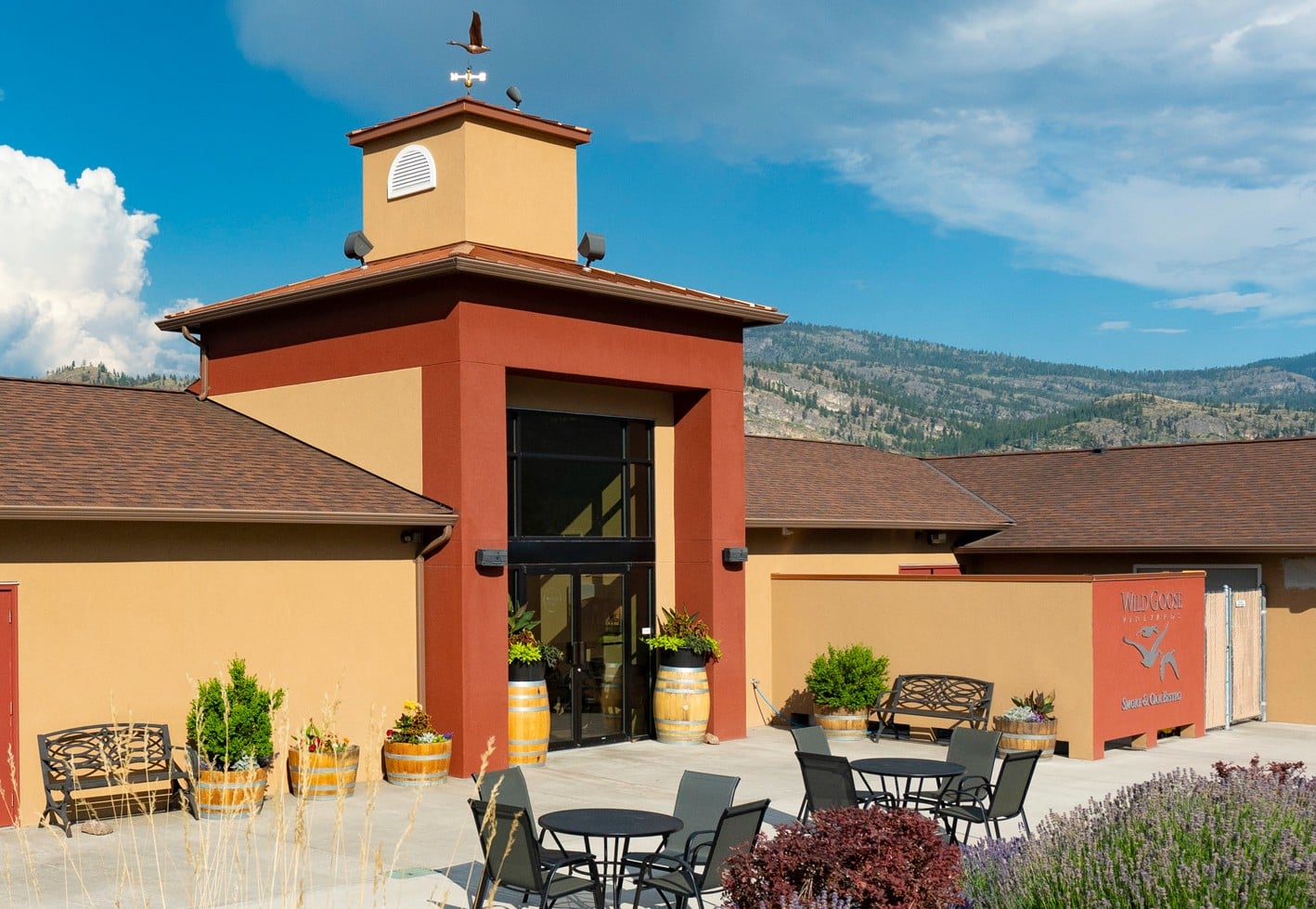
Central Okanagan Valley
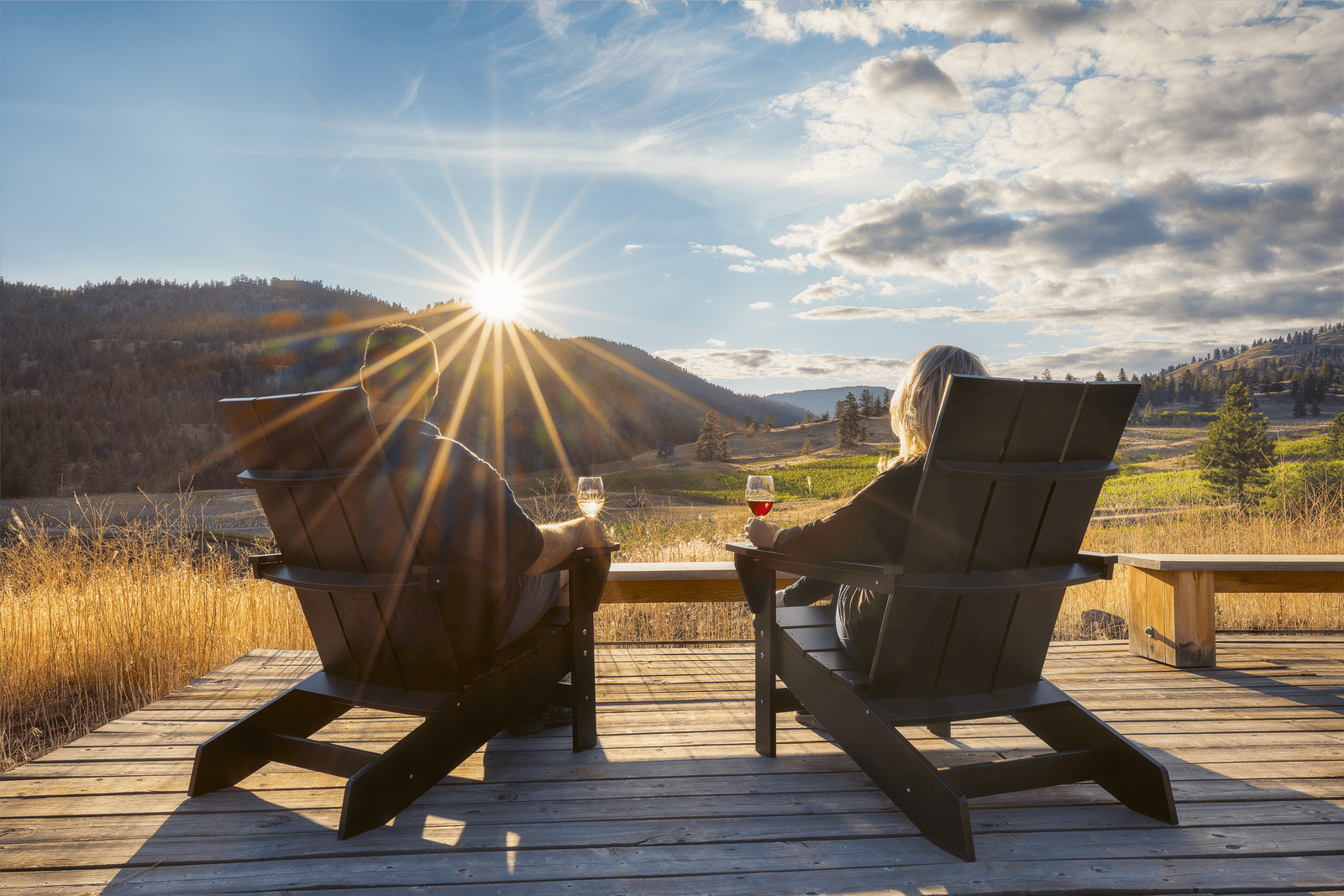
Similkameen Valley
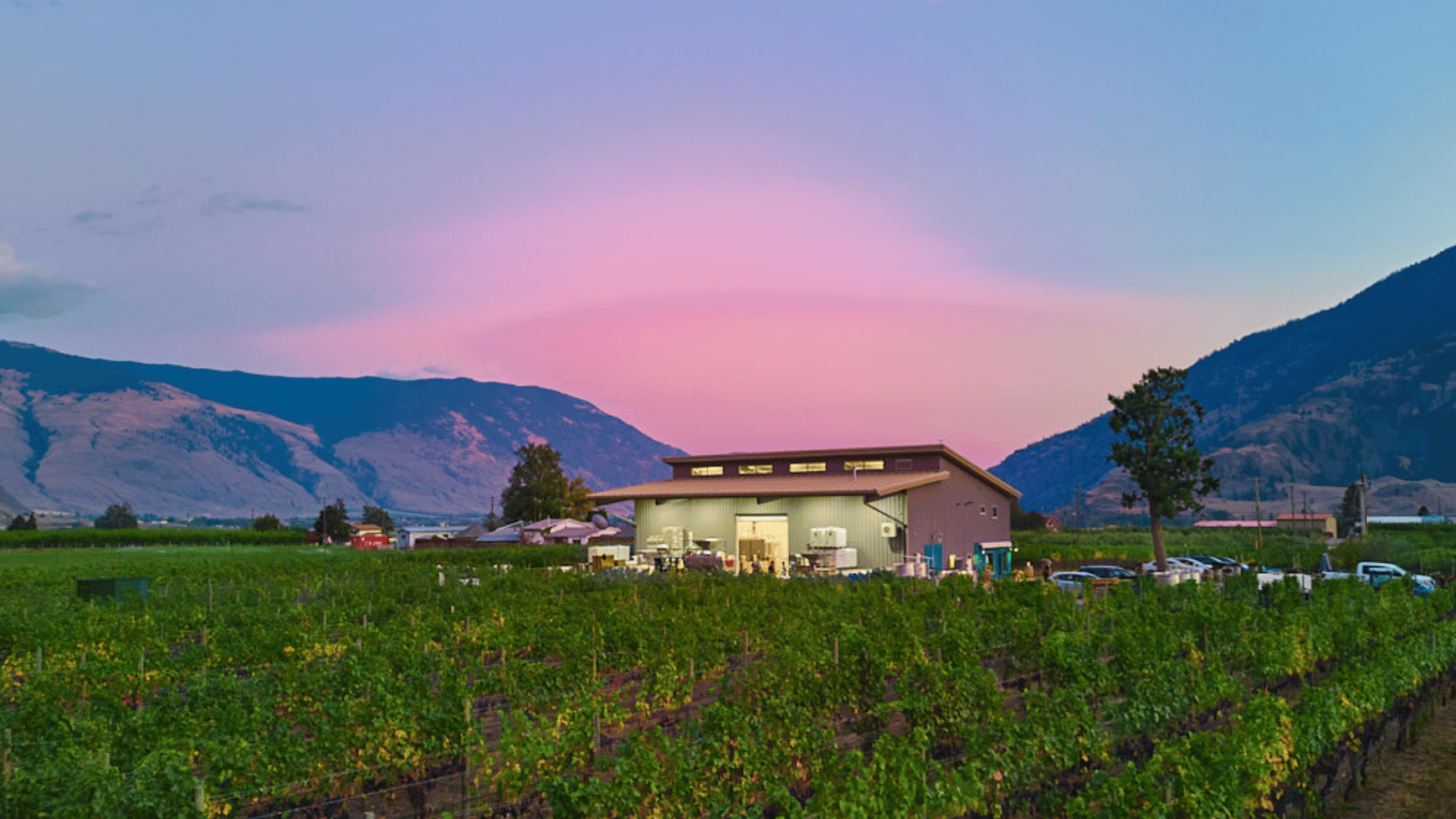
South Okanagan Valley
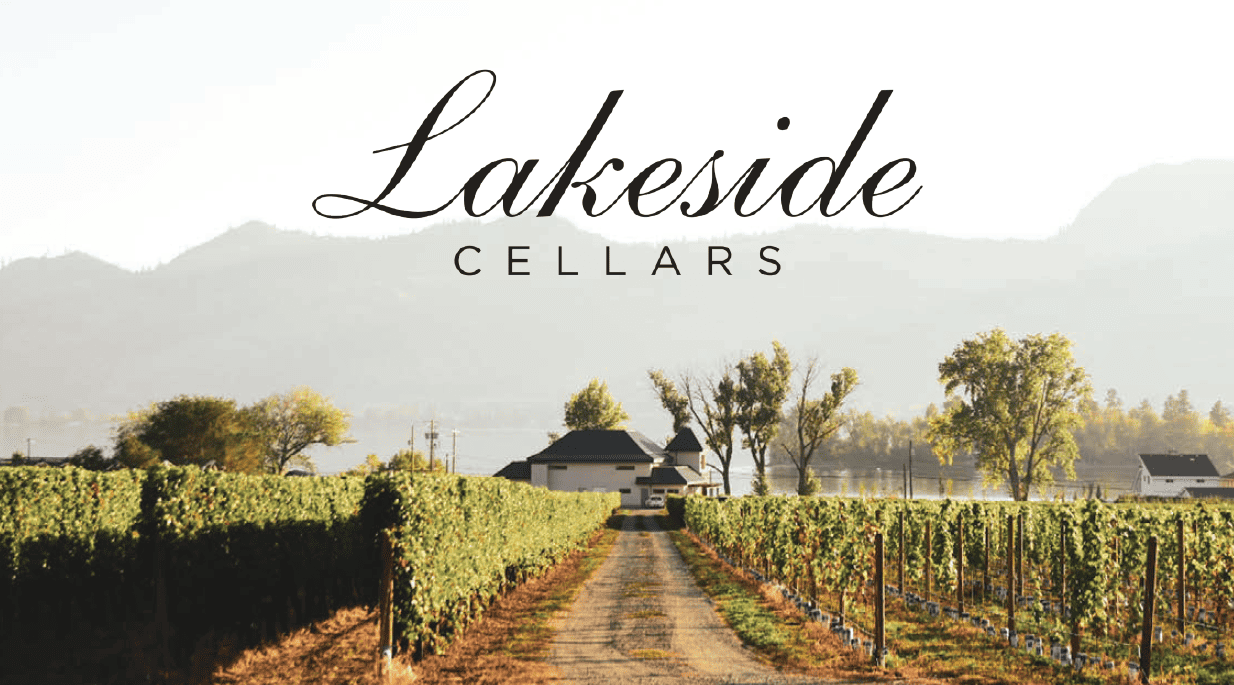
Fraser Valley
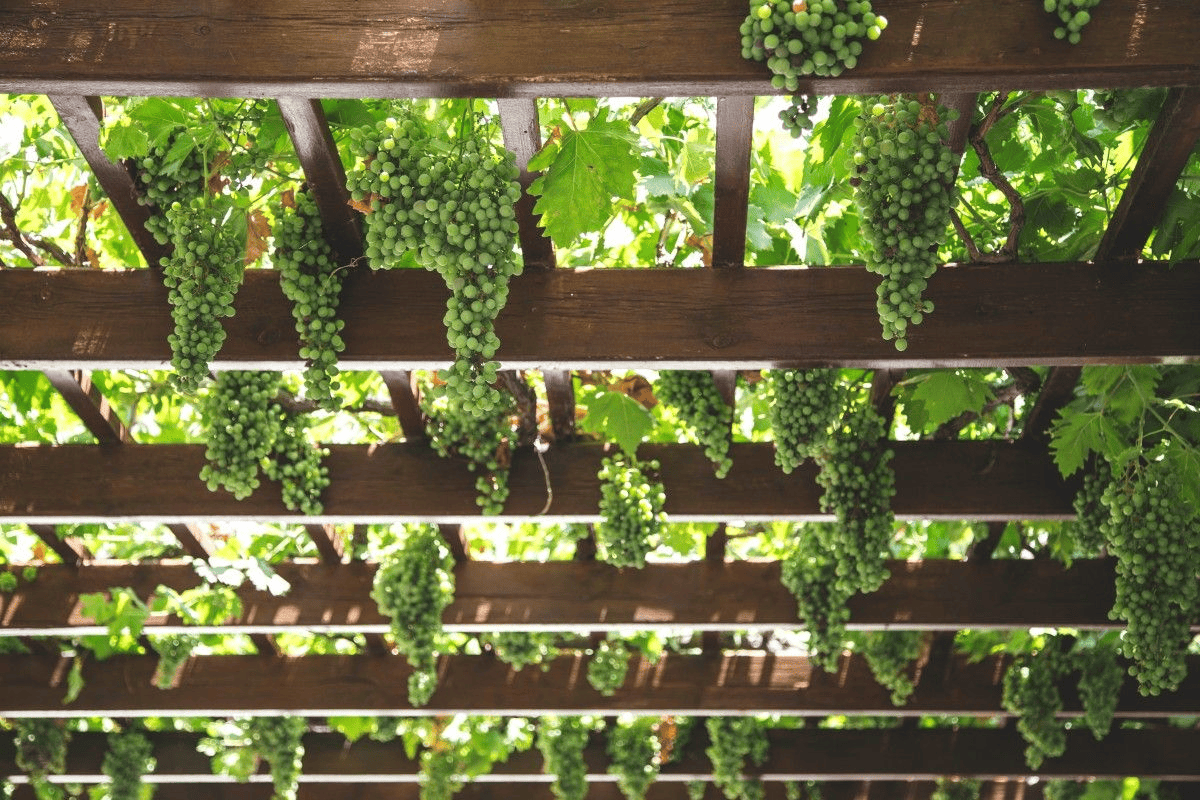
South Okanagan Valley
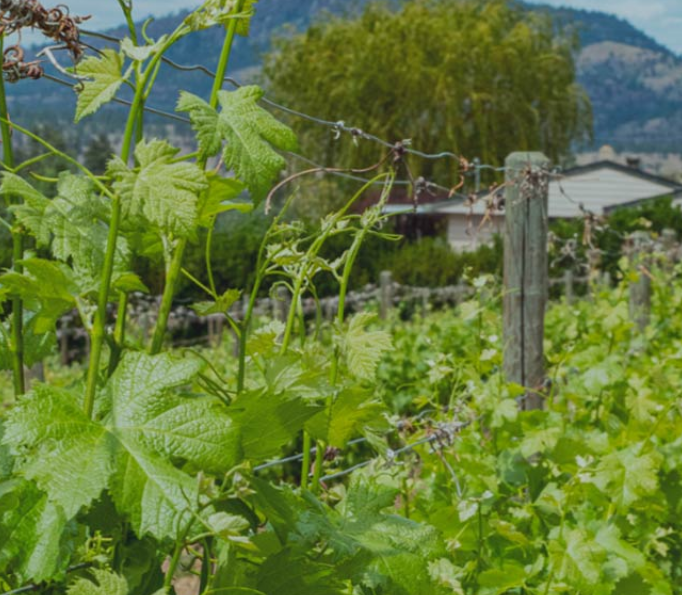
WINE REGIONS
TOUR BC VINEYARDS
From the Pacific coast to the interior of BC, the province’s wine regions offer diverse landscapes and expressive wines. Connect with vibrant cultures and local ingredients as you savour the terroir with every sip.
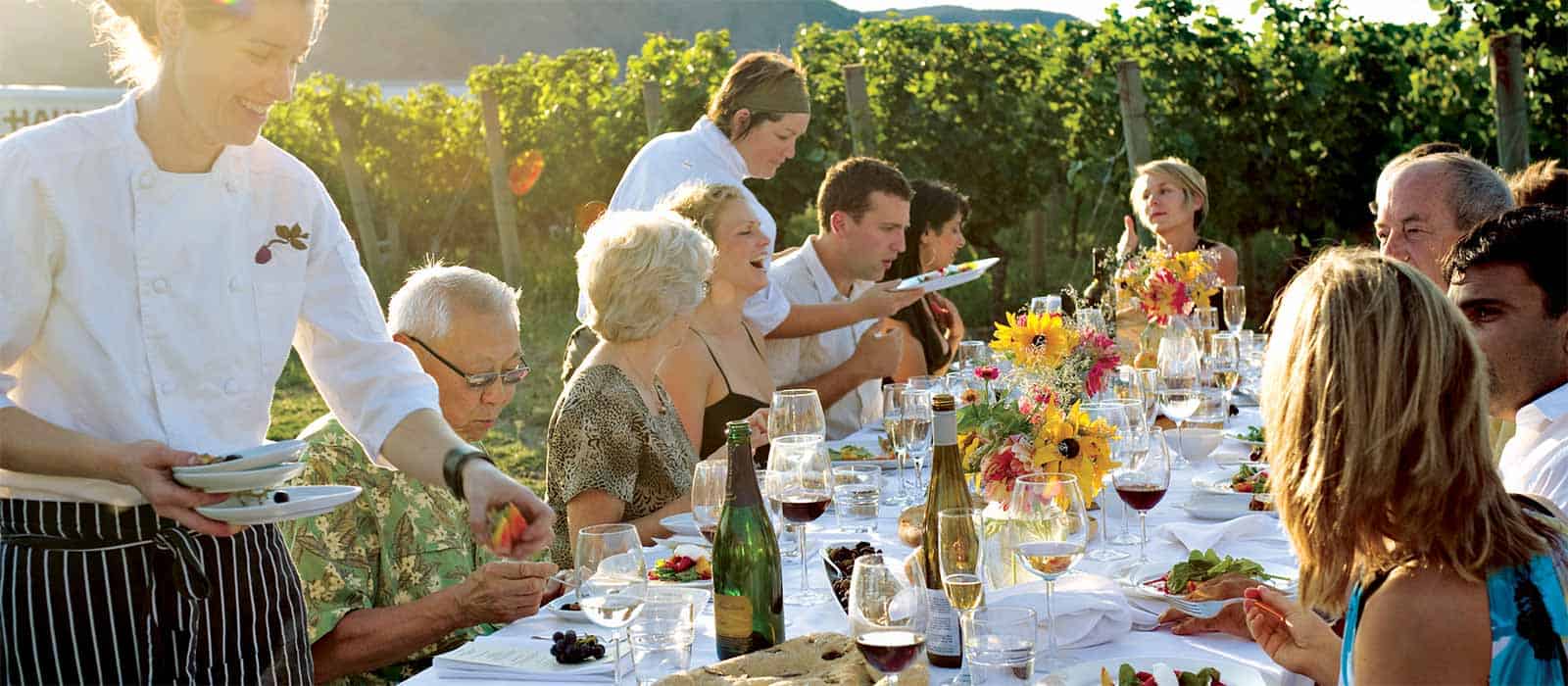
OKANAGAN VALLEY
10,920
Acres Planted
210
Licensed Grape Wineries
Sun-kissed vineyards and sparkling lakes abound in BC’s largest grape-growing region.
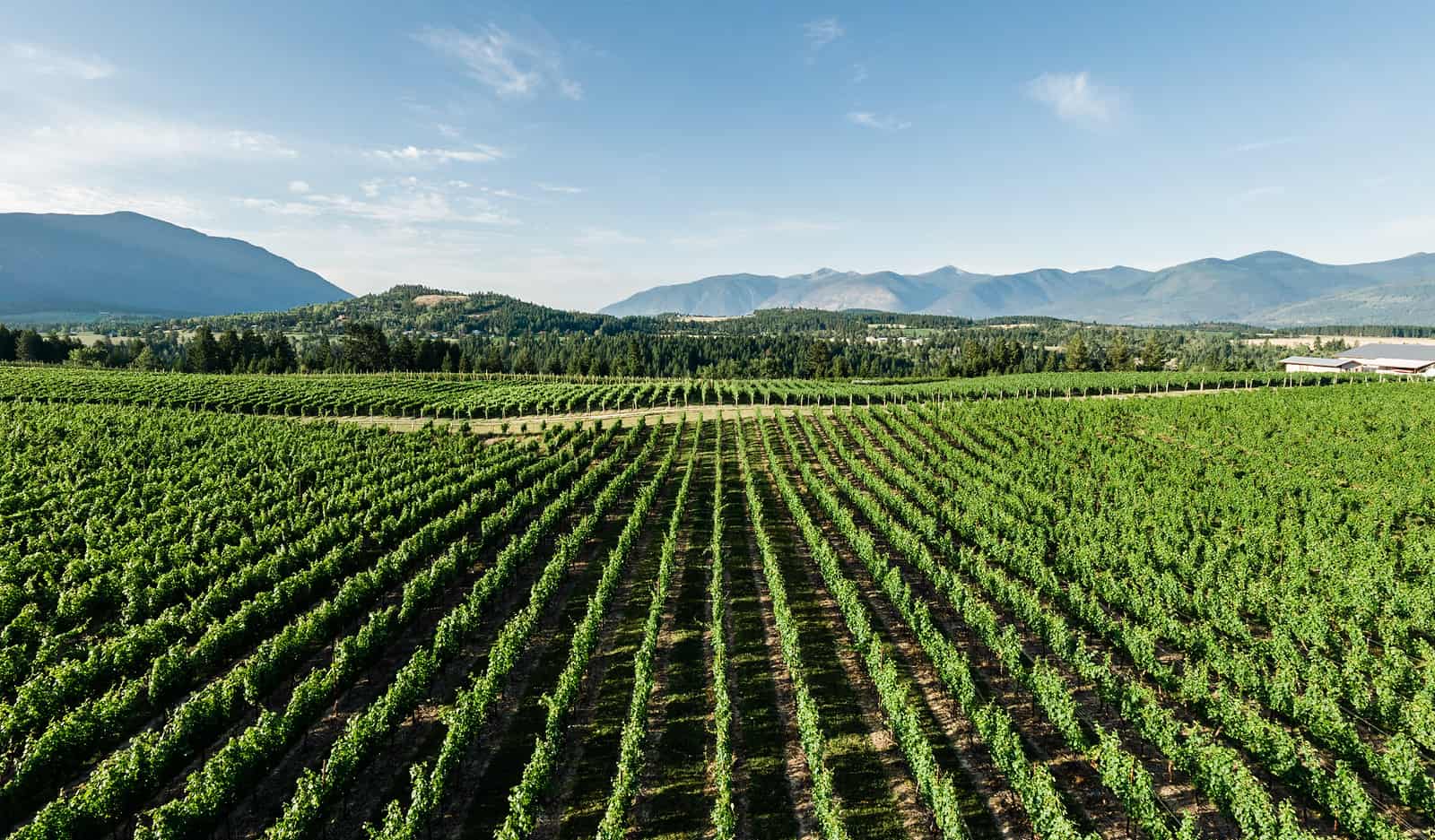
KOOTENAYS
117
Acres Planted
7
Licensed Grape Wineries
An intense landscape and lifestyle, softened by the fruits of fertile valleys.
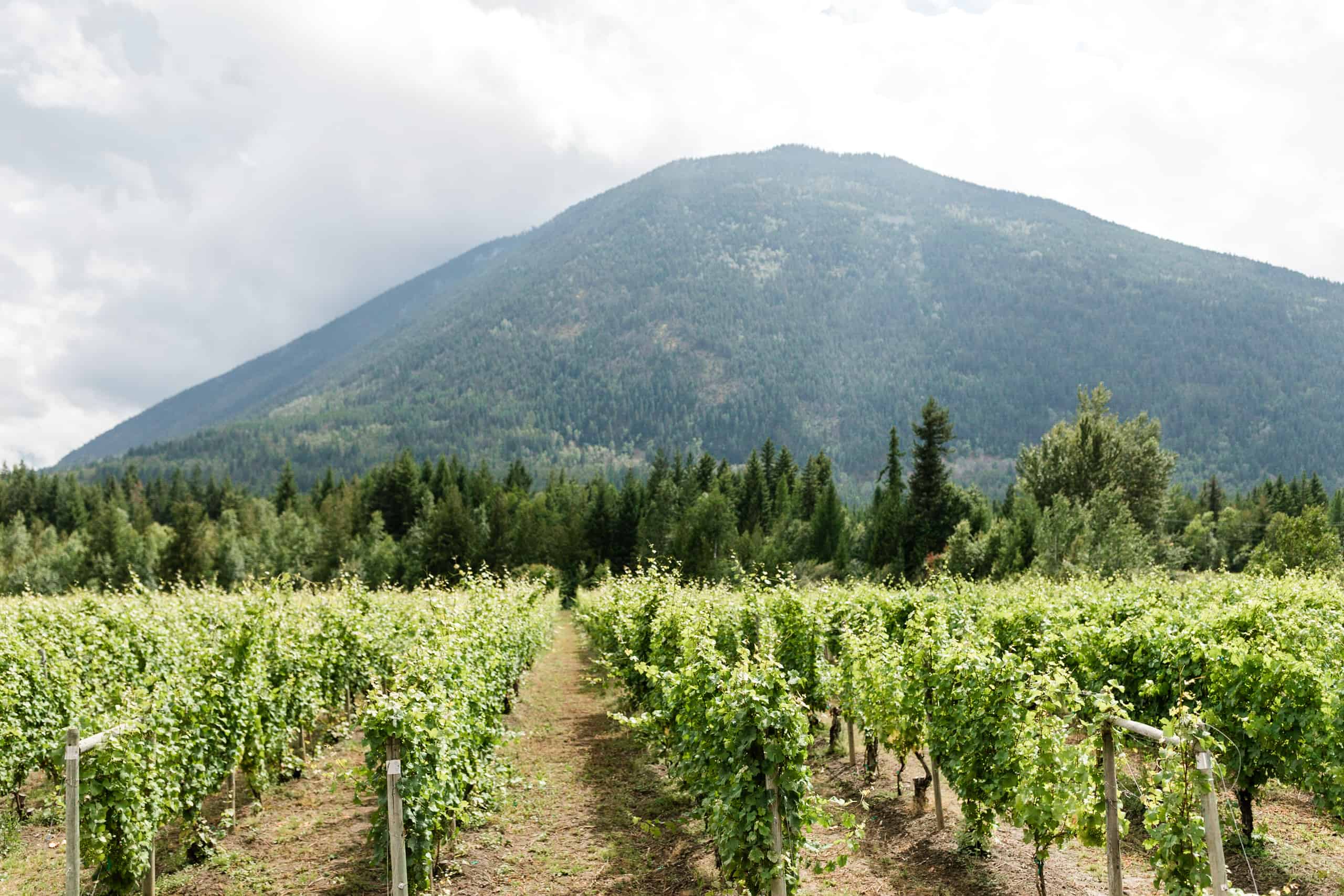
SHUSWAP
107
Acres Planted
6
Licensed Grape Wineries
In this lakeside paradise, every community has its own character, and every wine tells a story.
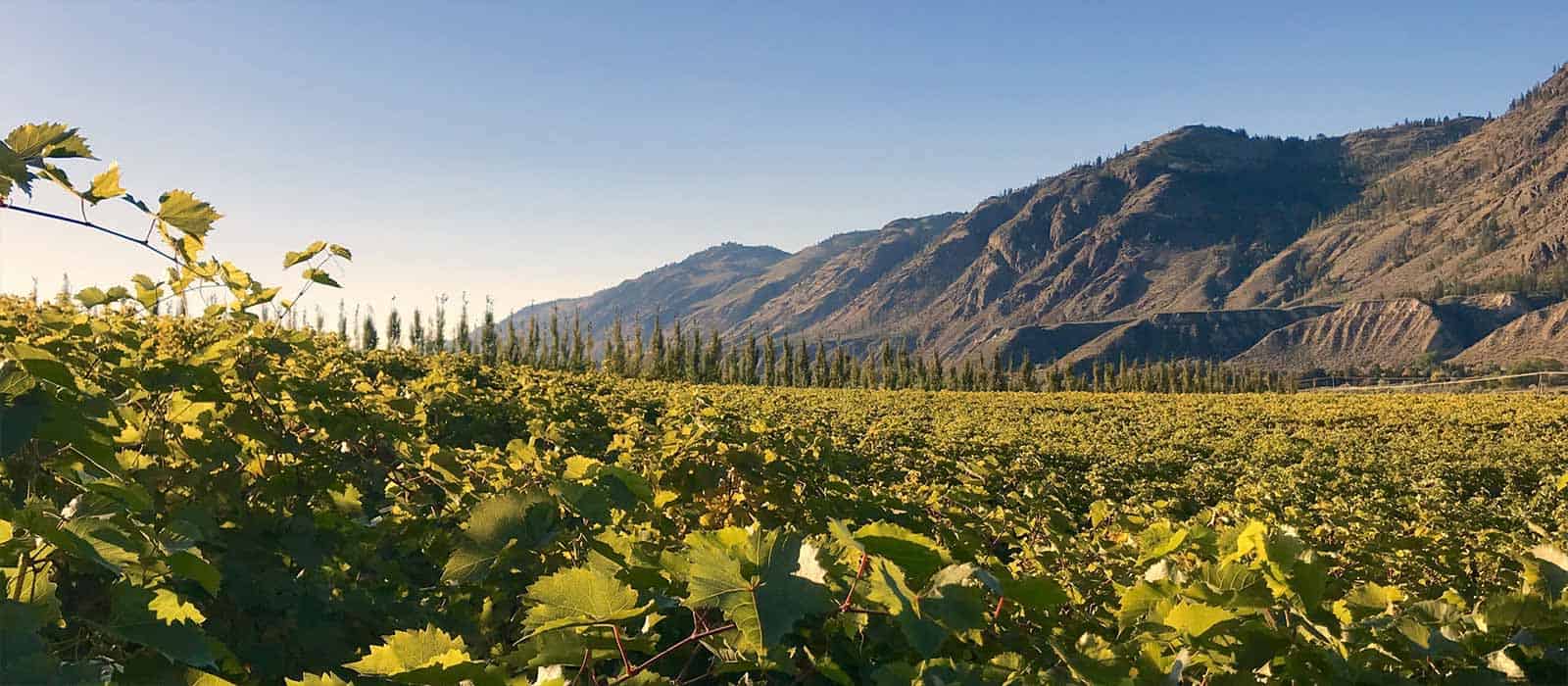
THOMPSON VALLEY
93
Acres Planted
3
Licensed Grape Wineries
Vast landscapes and a pioneering spirit shape a region where adventure and winemaking thrive on the edge.
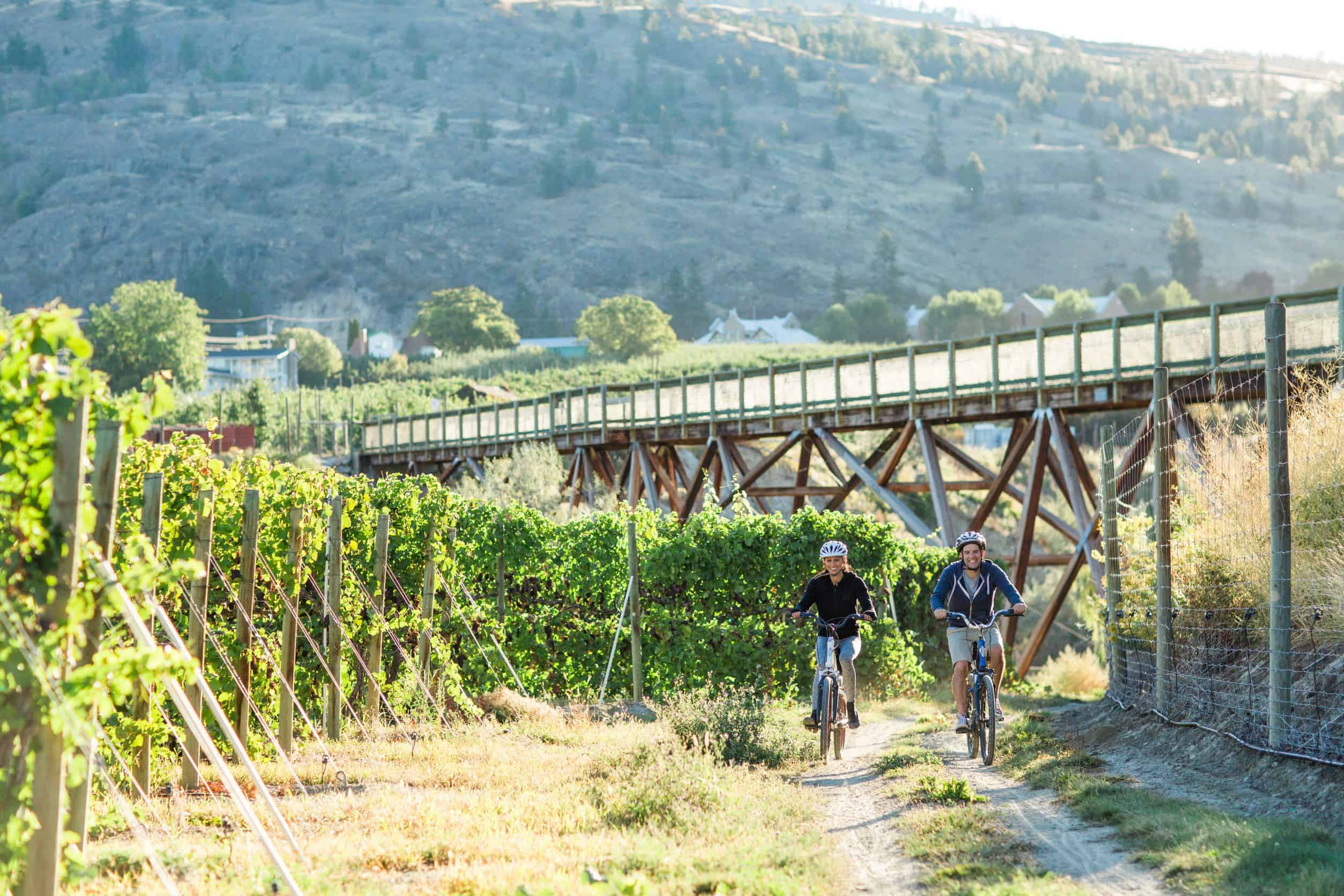
SIMILKAMEEN VALLEY
768
Acres Planted
17
Licensed Grape Wineries
Venture off the beaten path for wine touring in a hidden valley shaped by rivers and an eclectic heritage.
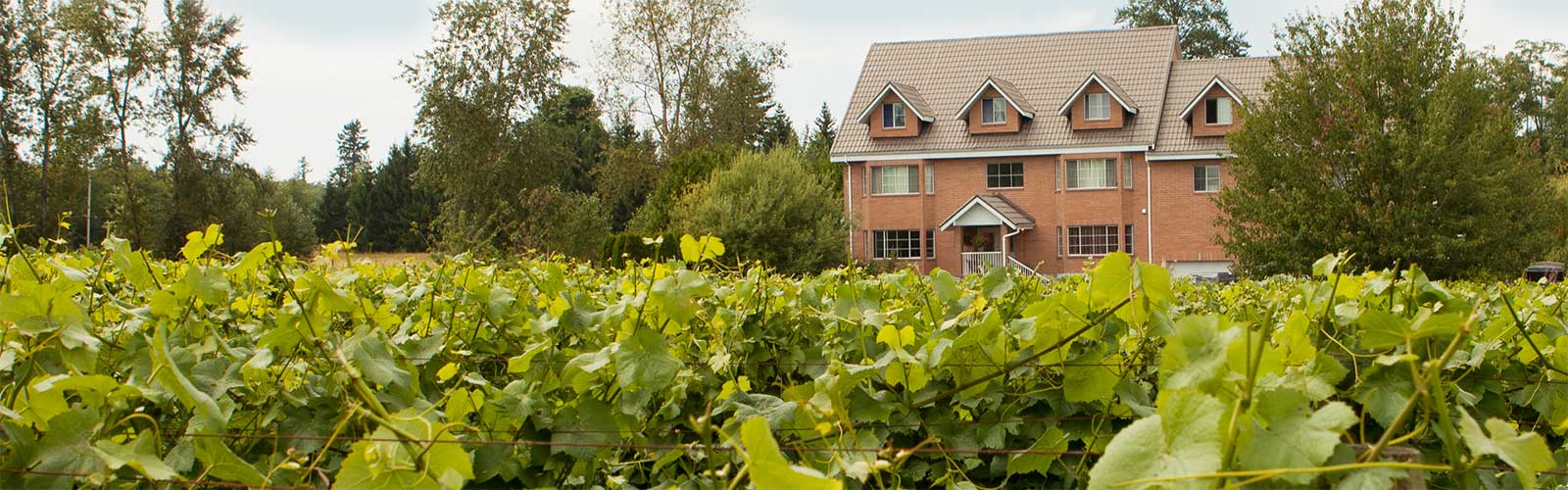
FRASER VALLEY
194
Acres Planted
28
Licensed Grape Wineries
This scenic heartland near Vancouver offers fruit-driven wines, hands-on farm experiences, and breathtaking natural beauty.
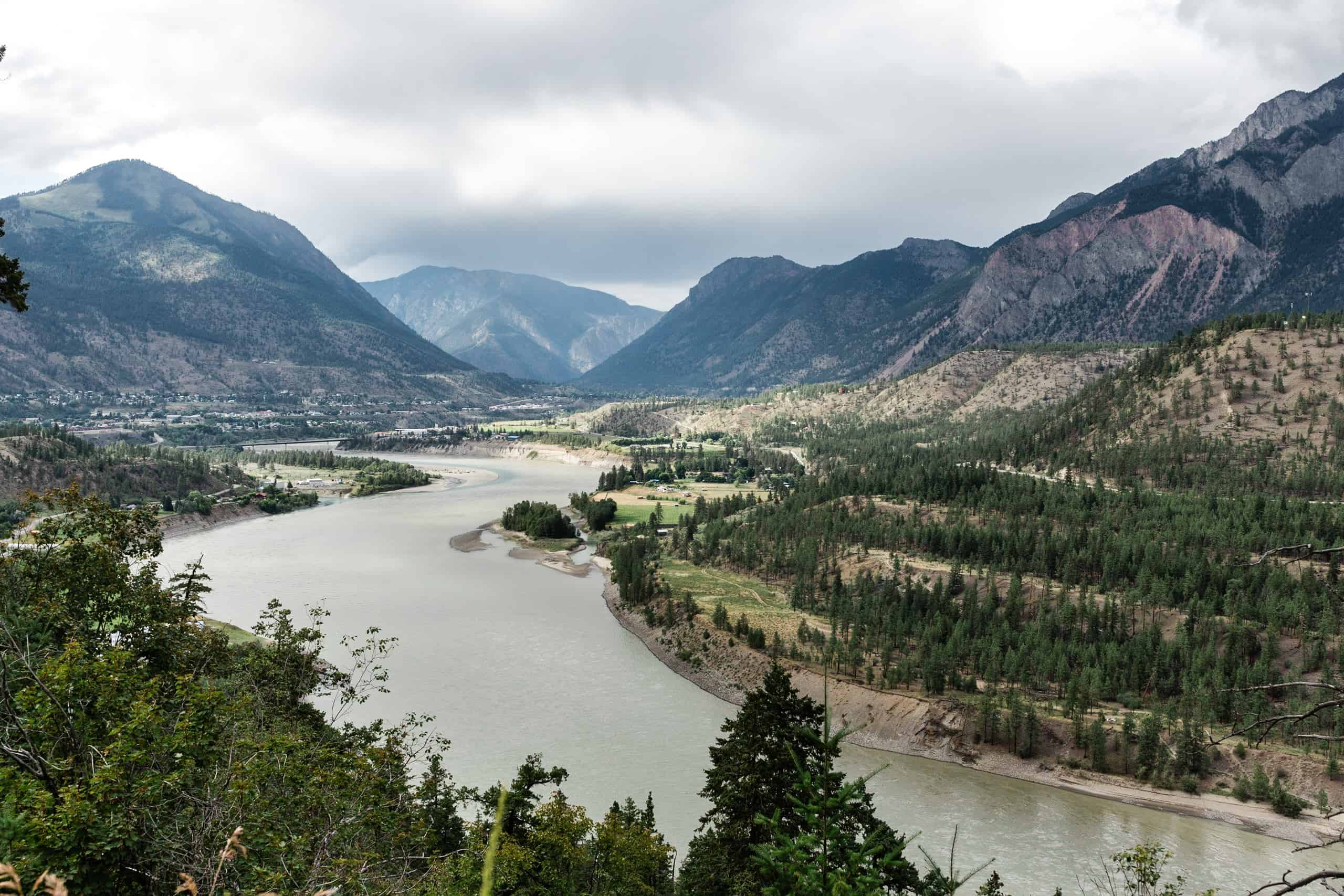
LILLOOET
51
Acres Planted
2
Licensed Grape Wineries
From gold to grapes, Lillooet is forging a new path, rooted in Indigenous culture and intrepid spirit.
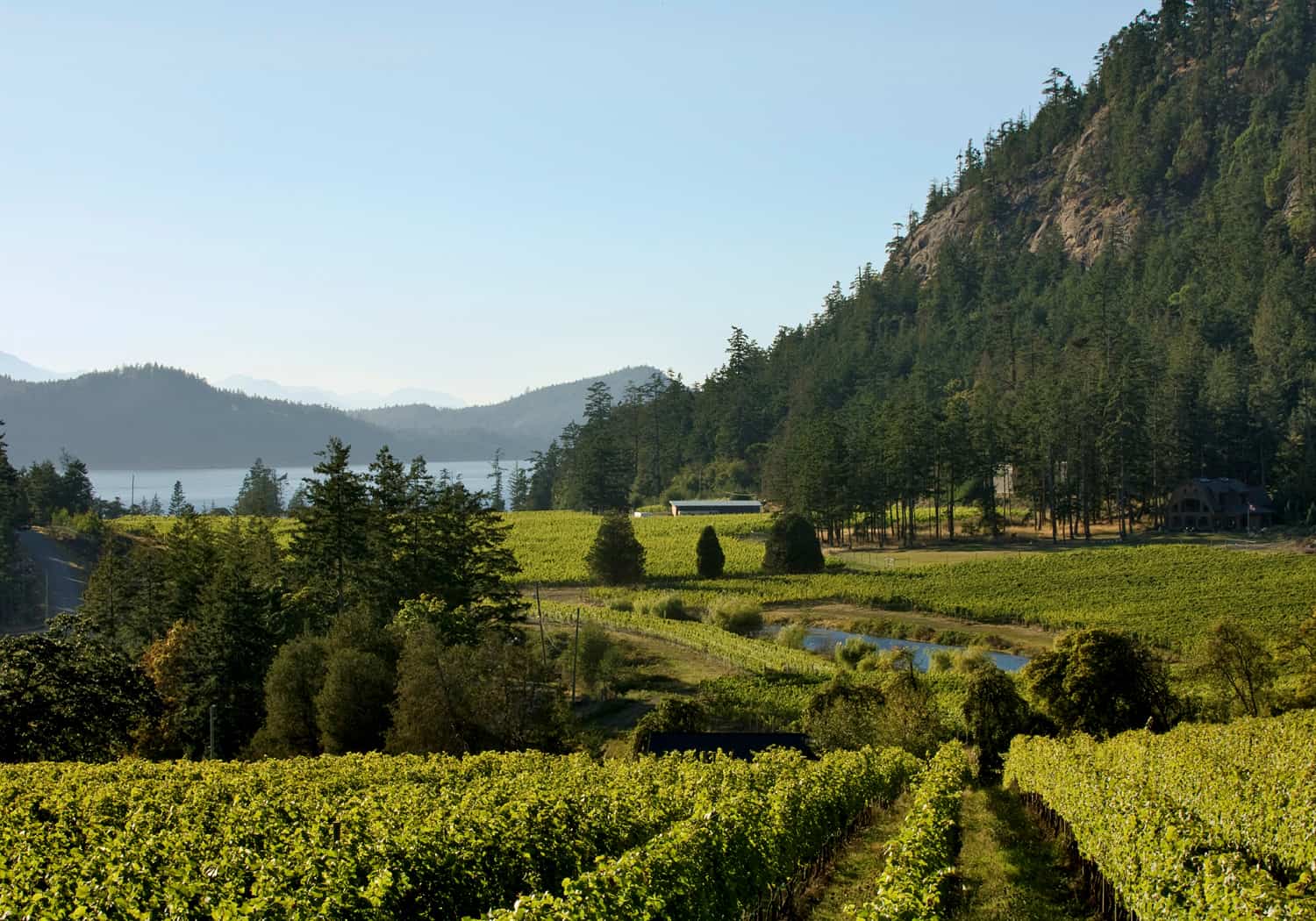
GULF ISLANDS
110
Acres Planted
11
Licensed Grape Wineries
Savour wines shaped by sea air and rooted in unique coastal communities.
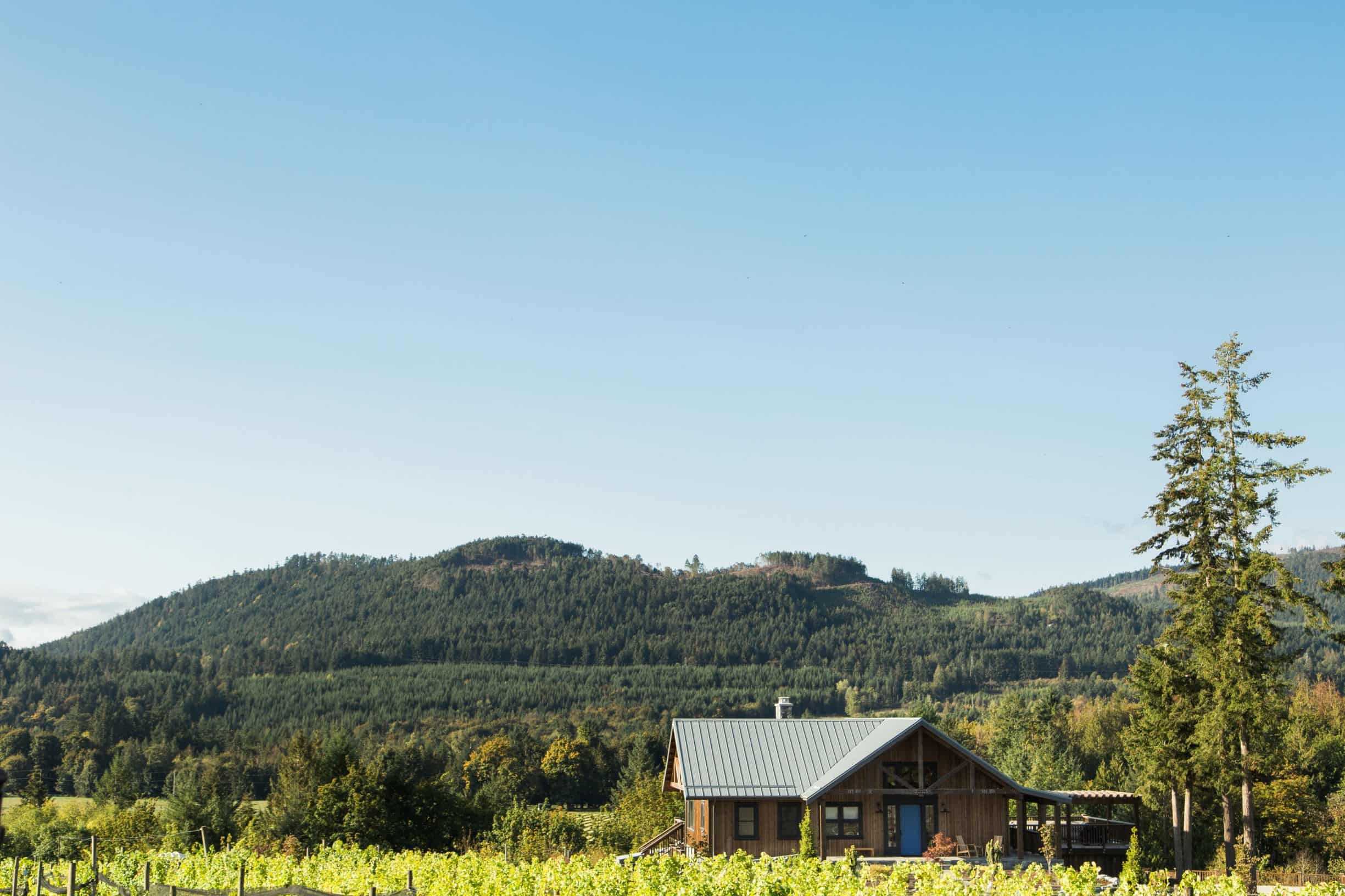
VANCOUVER ISLAND
321
Acres Planted
22
Licensed Grape Wineries
Journey from windswept shorelines to verdant valleys and savour the flavours from land and sea.